A quick 50 minute flight and we were in Siem Reap. Siem Reap is a much bigger, more modern, bustling town that we had expected. It’s a nice place, very clean by Cambodia standards. Our hotel here has only been opened for a couple of months so it is nice and sparkling new but the place is empty! They upgraded us to a premium room so we have a nice large room with a great bathroom with a tub (haven’t seen one of those for a month!) and a nice balcony. We got to our room and Buzz noticed a gecko on the wall who climbed behind the a/c unit when we entered. We hoped he would find his way outside. He won’t bother us; we have had many on our ceilings in our more rustic environs but they make a clacking noise. And sure enough, a few hours later “clack, clack, clack”. I yelled at him and he shut up for a few hours but he would eventually think he was alone again and start his thing. We were tired and wanted a good quiet nights sleep which he was not willing to help with. So, we moved rooms the next day and as we entered the room, we saw a gecko running on the wall so Buzz scared him the other way and cornered him in the bathroom. A quick call to the front desk resulted in 2 young men to come and get the gecko, which they did! (Our last night, we were plagued by crickets; they were crawling out of our suitcases!)

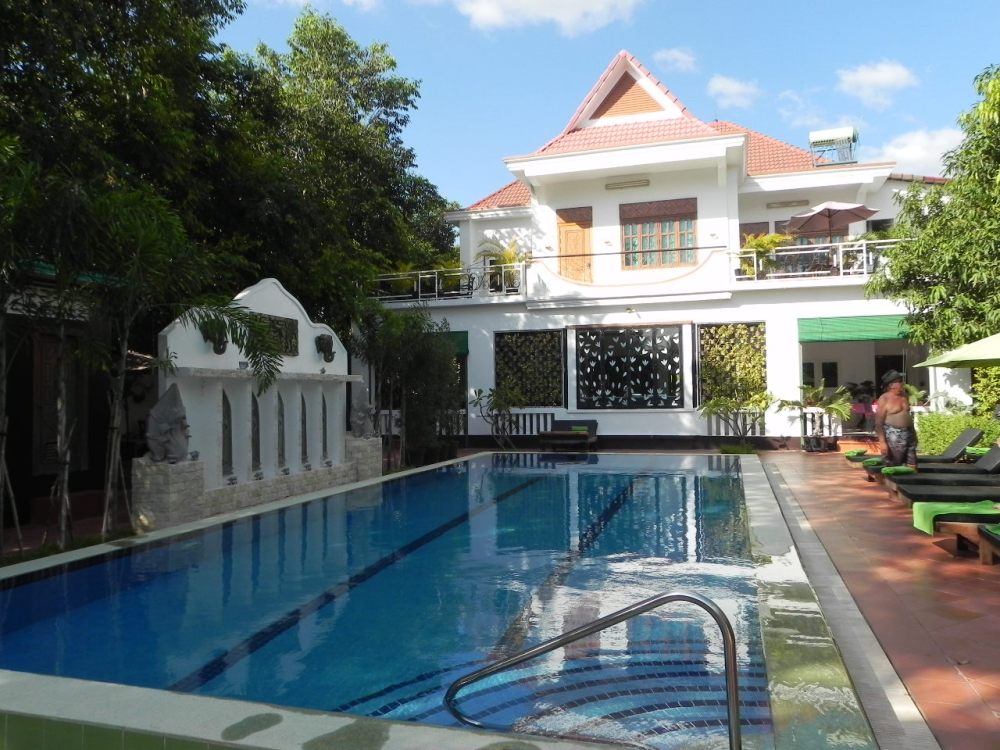
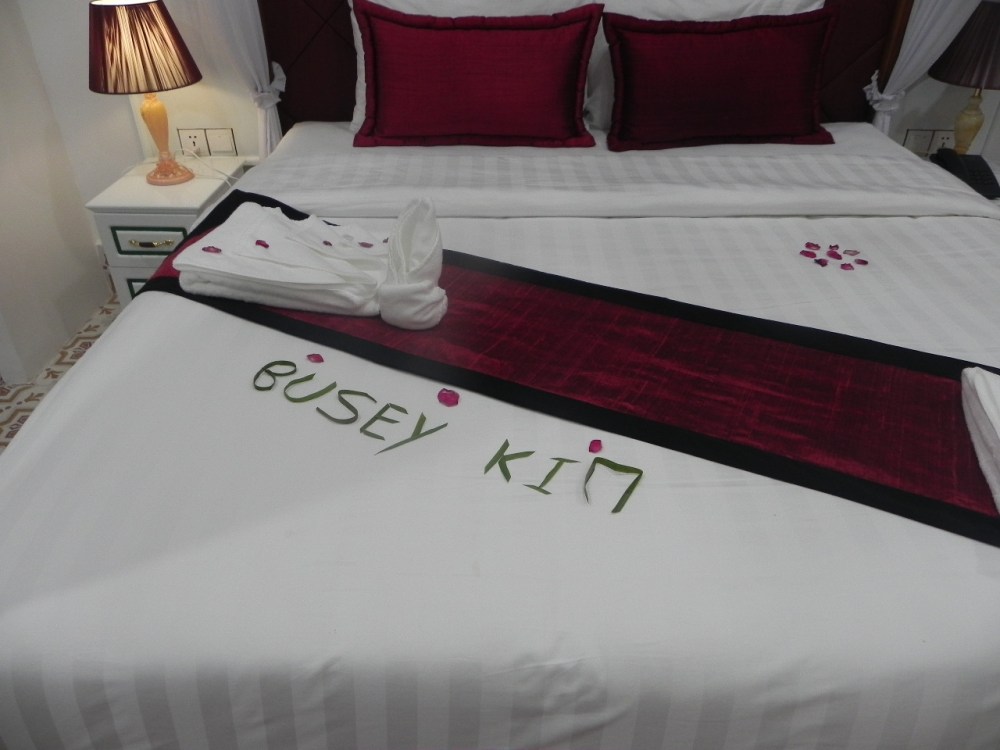
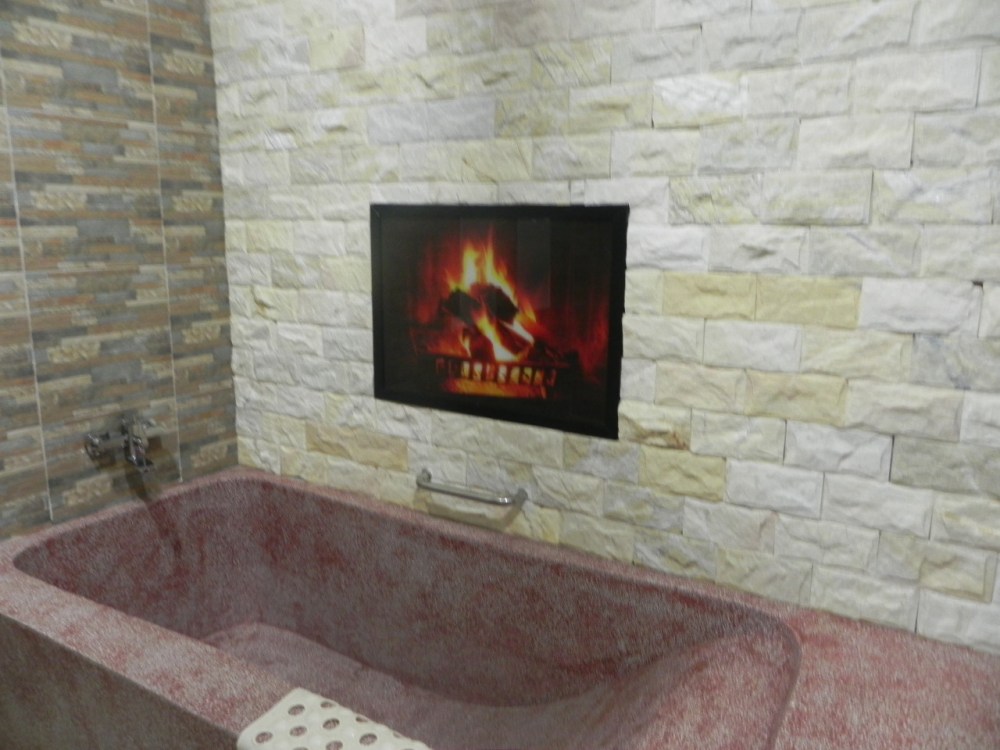
We especially like the picture of a fire over the tub! As if this place isn’t hot enough!!!!
The highlight in Siem Reap, of course, are the Angkorian Temples built from 800 to the 11th and 12th centuries. There are hundreds of them, all in different stages of disrepair or restoration. The Cambodian Government is keeping a very watchful eye on these and controls the access well. We purchased 3 day passes for $40 each that they actually put your picture on. They check these passes when you enter one of the 5 gates and at each temple before you enter. They enforce the dress code: no shorts above the knees, no sleeveless tops (men included.) We hired a remork driver ( a motorcycle with a little cabin attached to it) for 3 days to drive us to the various temples.
Ti was a great guide and his English was good enough for our uses. He kept us supplied with cold water he kept in a cooler. He had a locking compartment when we needed it. He would drop us off at the temples and wait outside and we could take as long as we wanted. One time, we came out to find him sleeping in a hammock he had spread over the seats! We woke him up by tickling his feet!

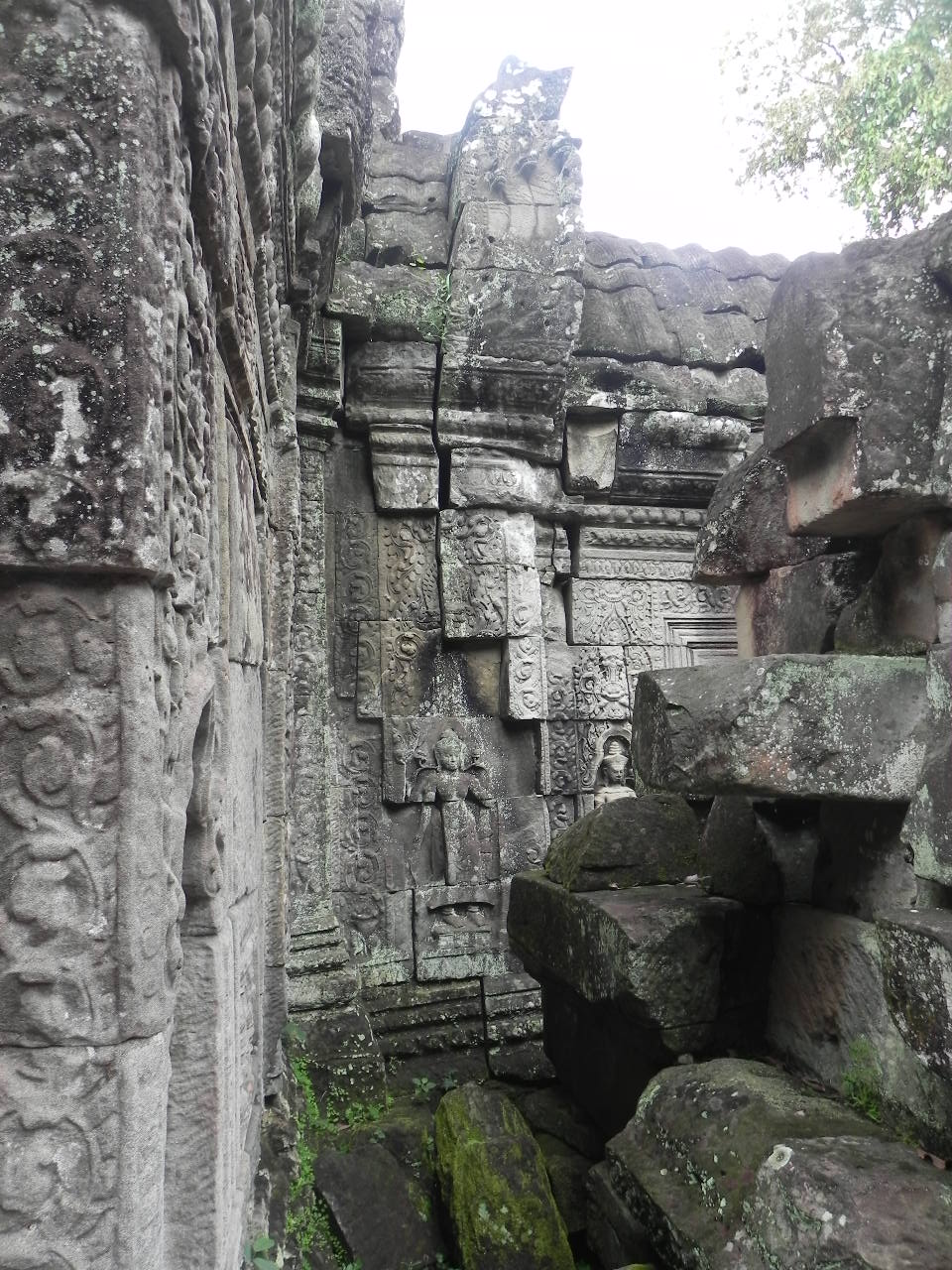
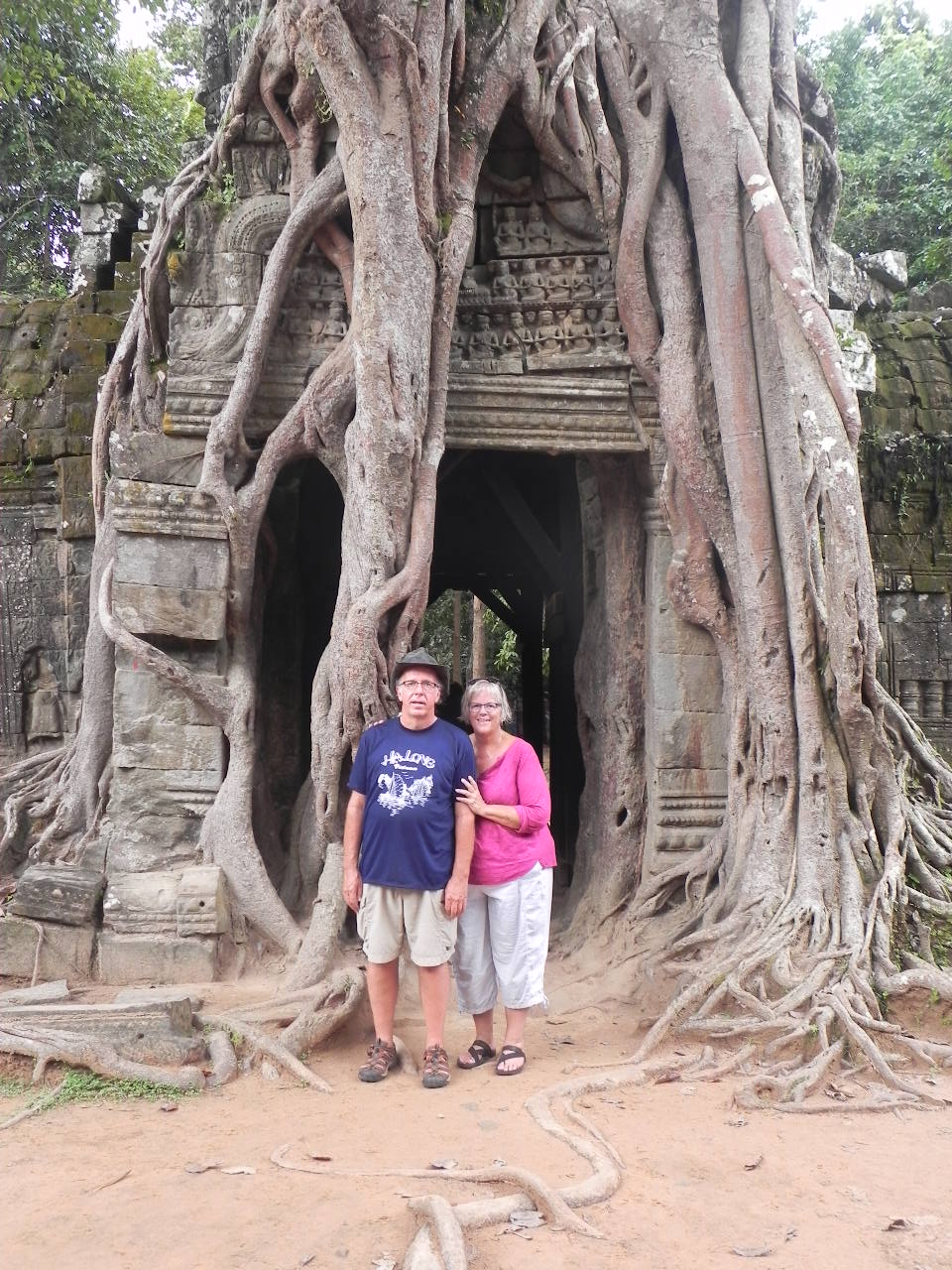
Our first day touring the temples was exhausting due to heat and climbing stairs. There would be dozens and dozens of rooms that were 4 feet square (or less) with a huge step up and a huge step down each way out. Steps to get into the temple, steps to get out, steps to each of the 10 different levels the temple once had. It was really exhausting, especially compounded by the heat. And these Angkorians must have had 10 feet long legs; many of these steps were 12 – 18 inches high!! But so worth it. The temples are amazing. We tried our best to keep track of what we saw at which temple but who knows how accurate we were. We opted not to hire a guide but bought a guide book and would read a little about the temple as we drove there. We drove what is called the “Big Circle” or the Grand Tour today and explored six temples. Each temple was different…yet some had repeating elements depending on who built them. They all have a certain magic to them…strolling through dozens of dark stone lined rooms, wondering what day to day life was like in these grand halls. Most were strictly for worship except for Preah Khan which also housed a sizable population. I will let the pictures speak for themselves.
Pre Rup


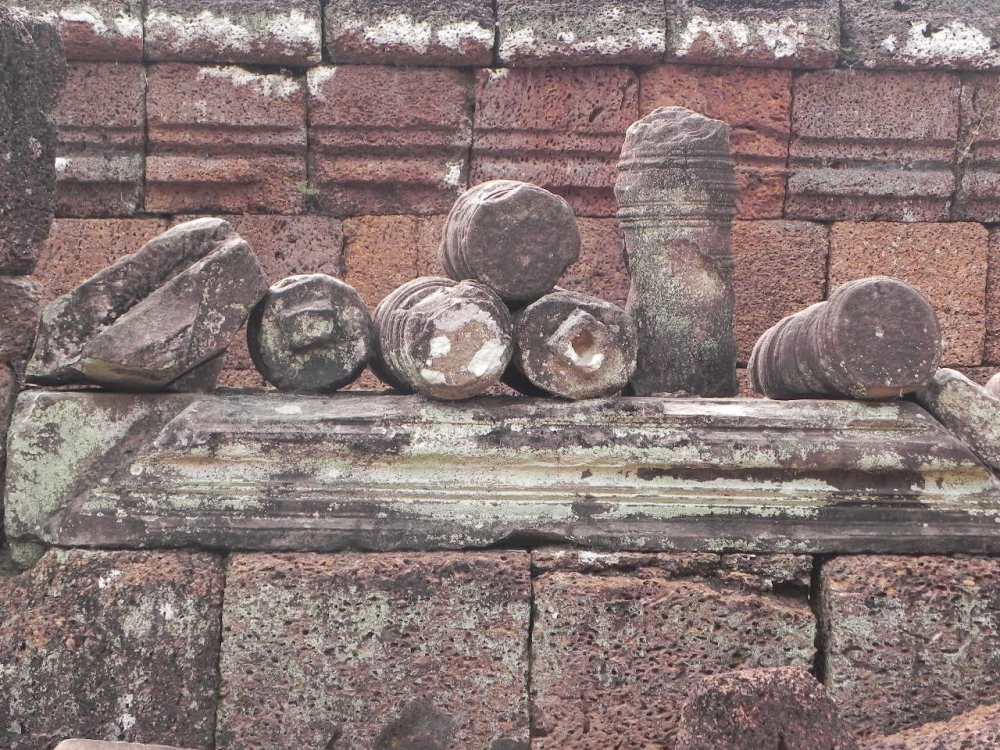
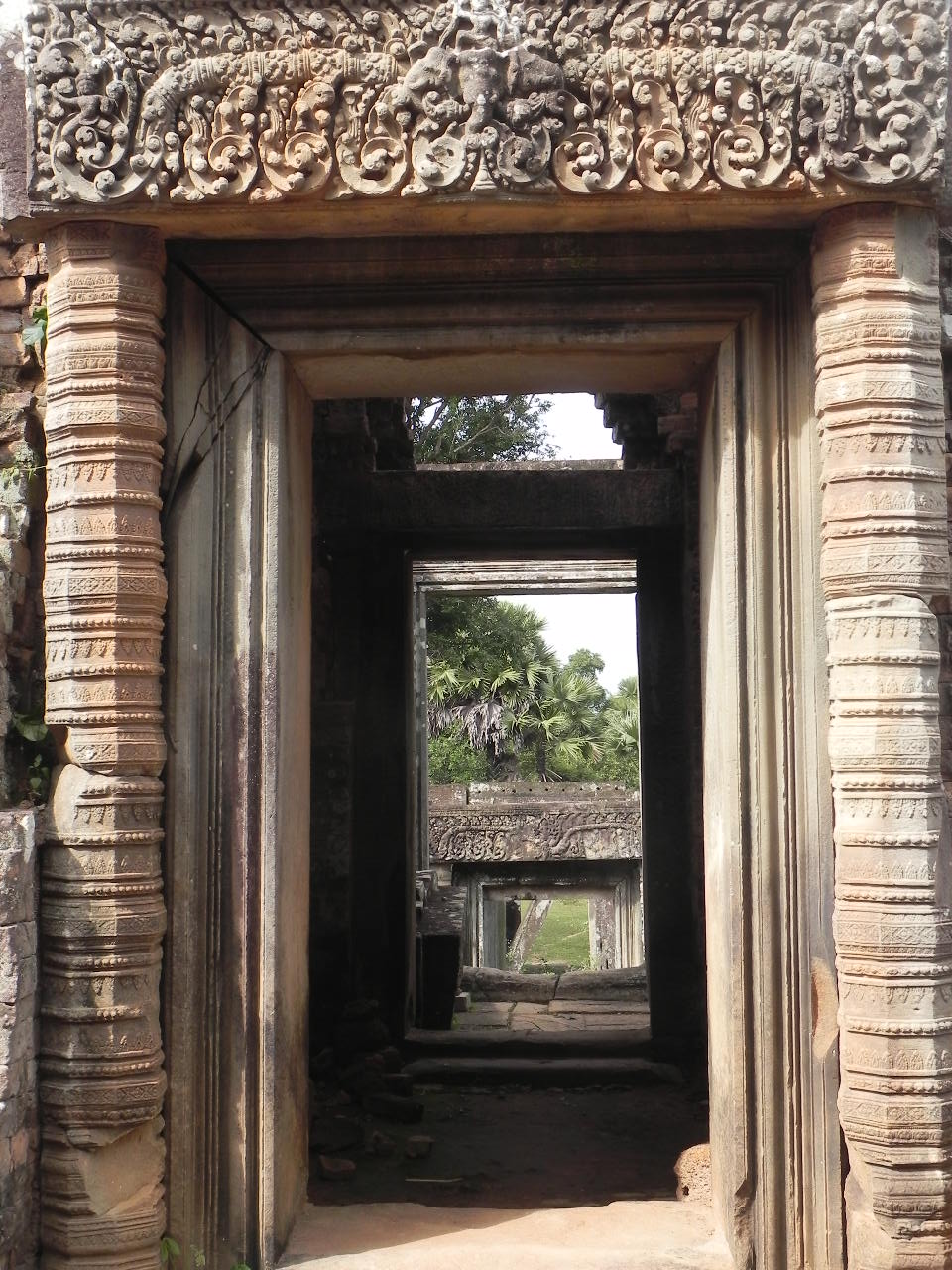

East Mebon


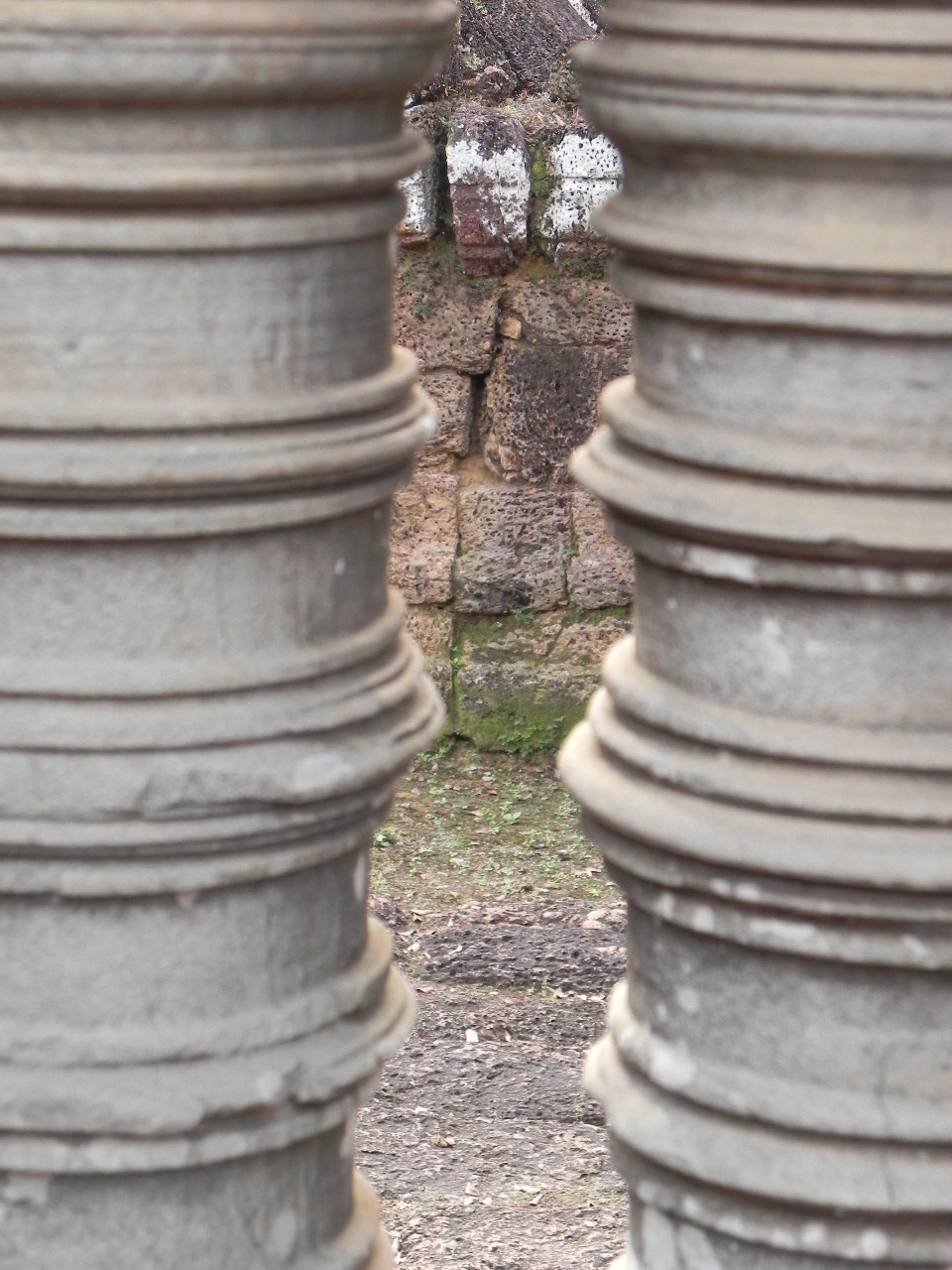
Ta Som
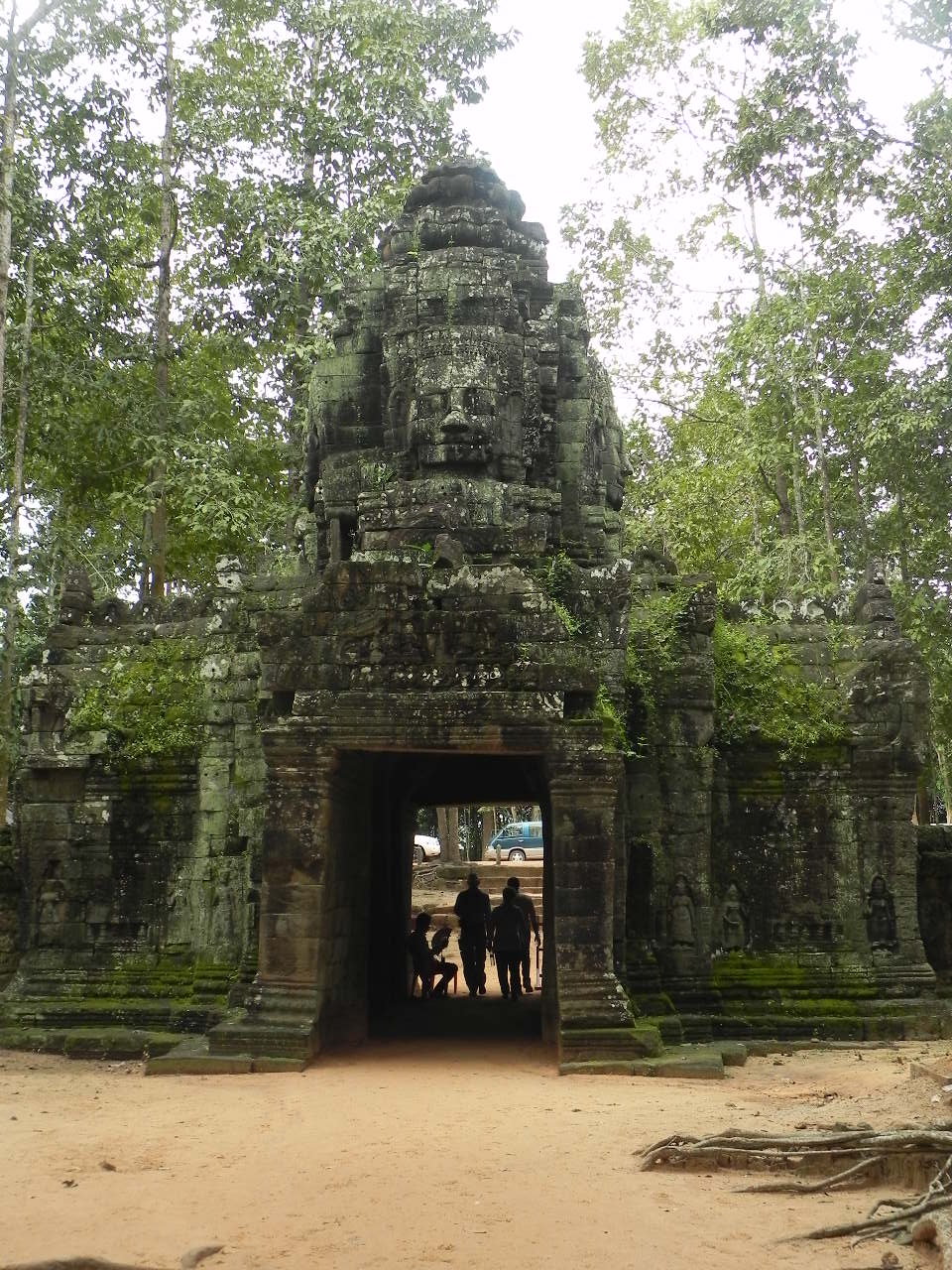
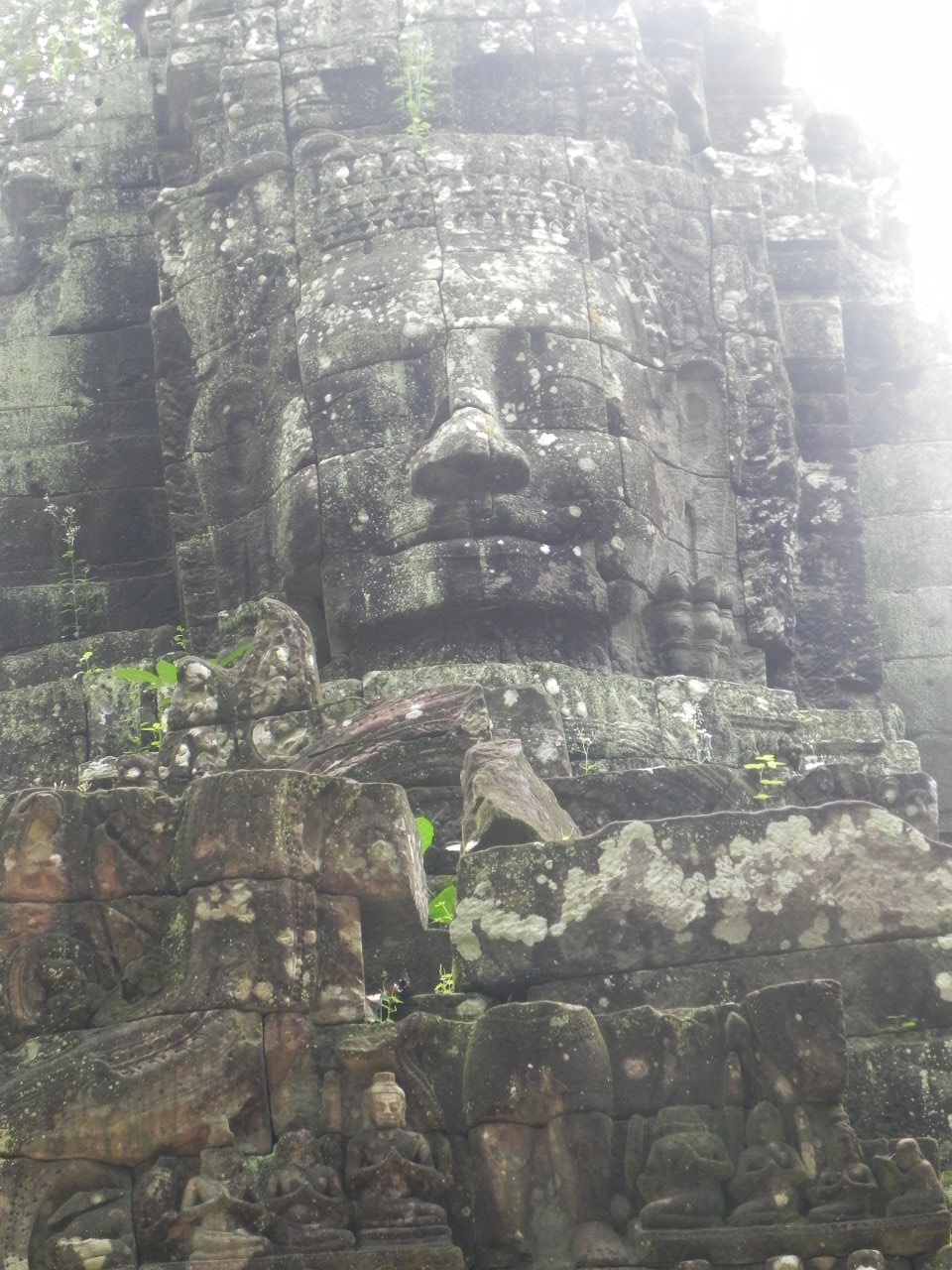



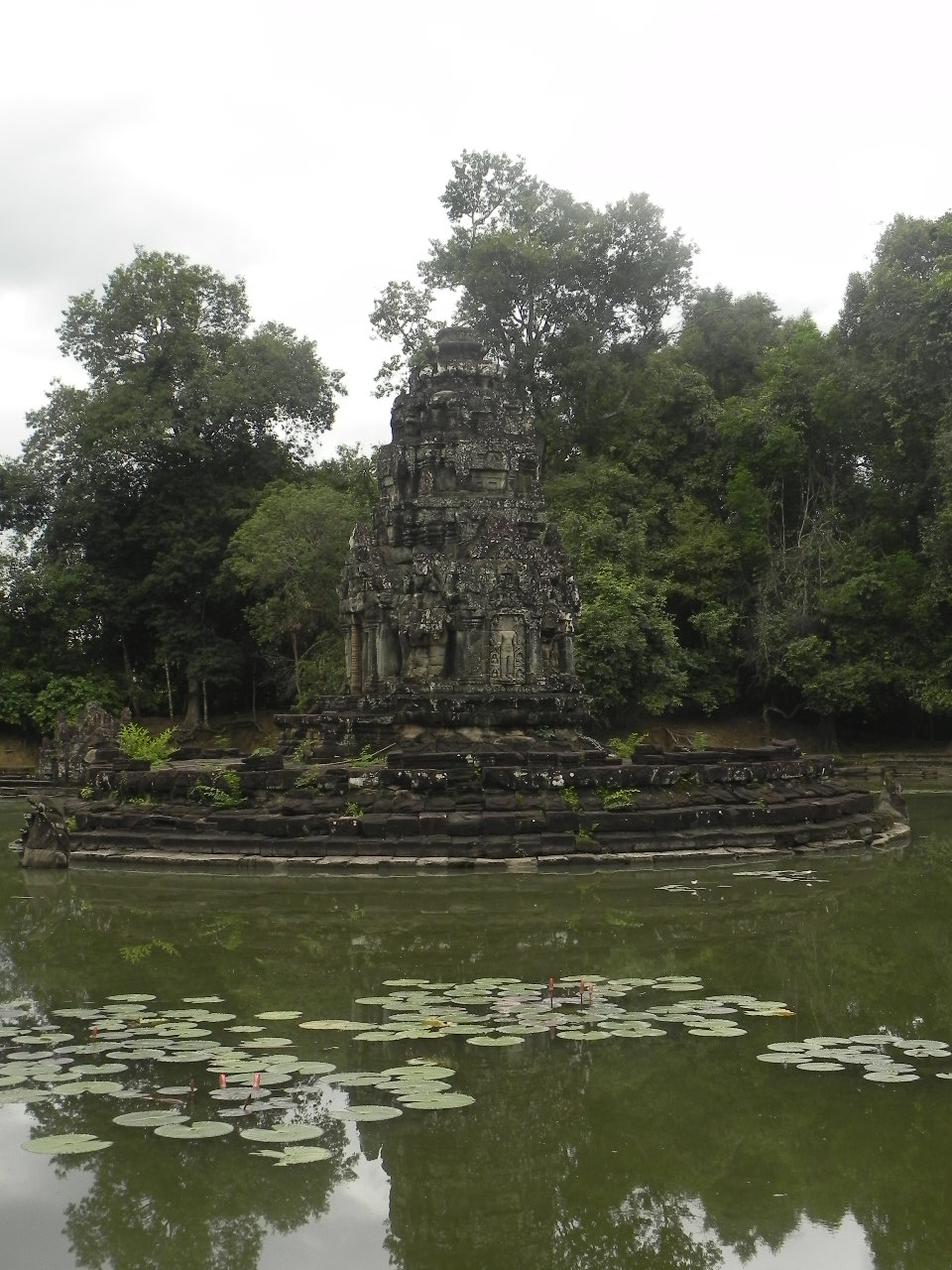
Neak Pean



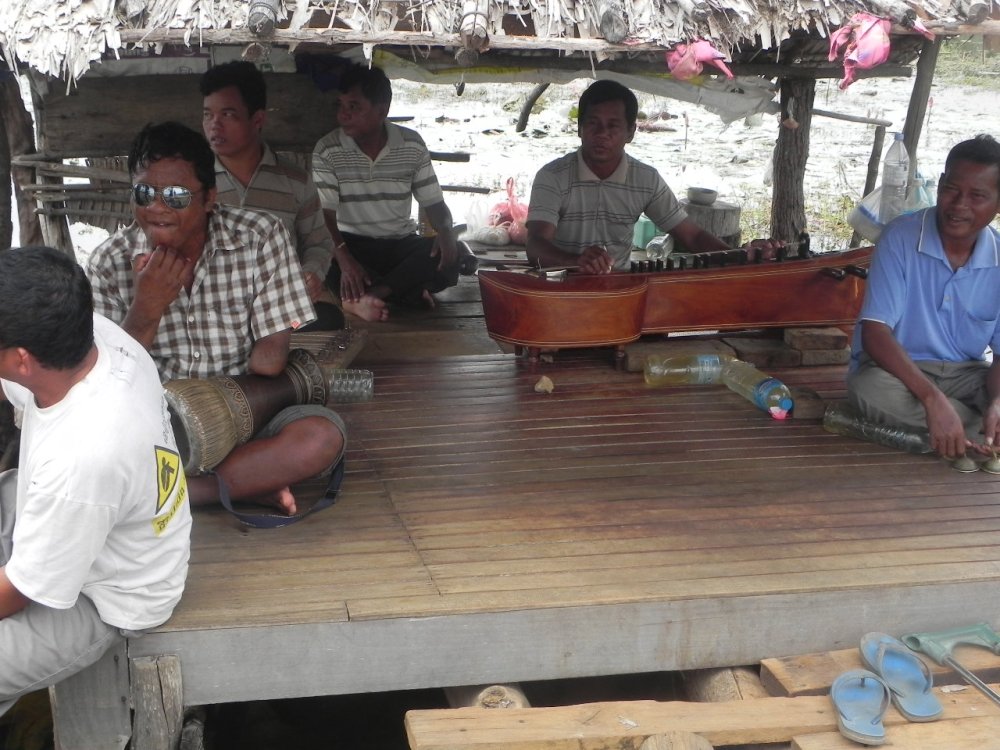
Preah Khan


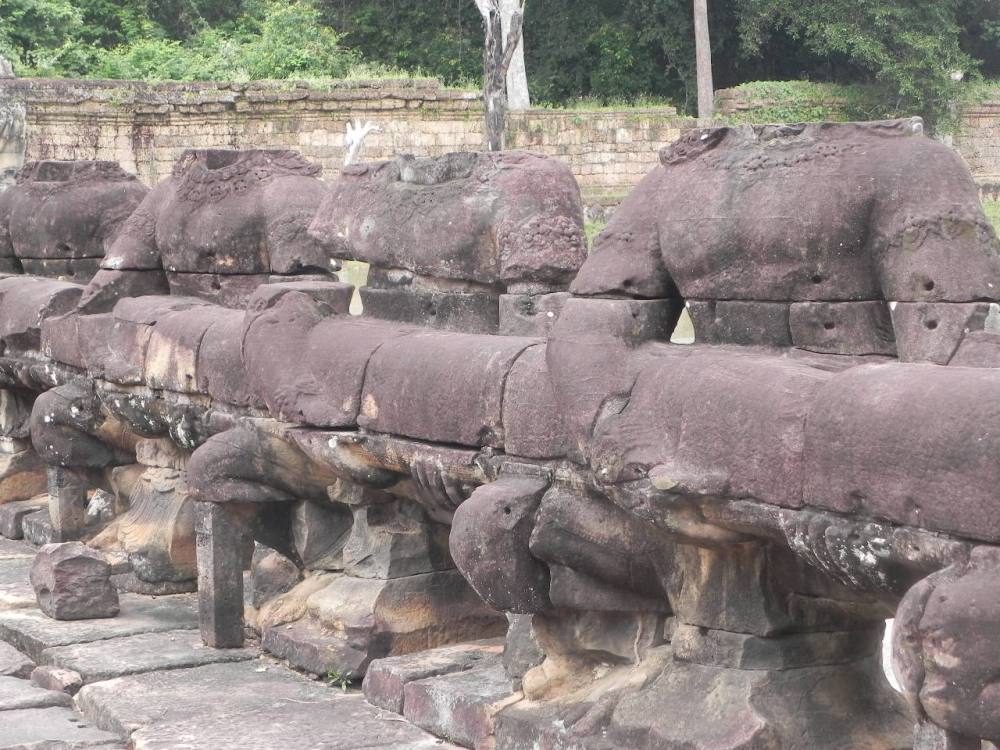


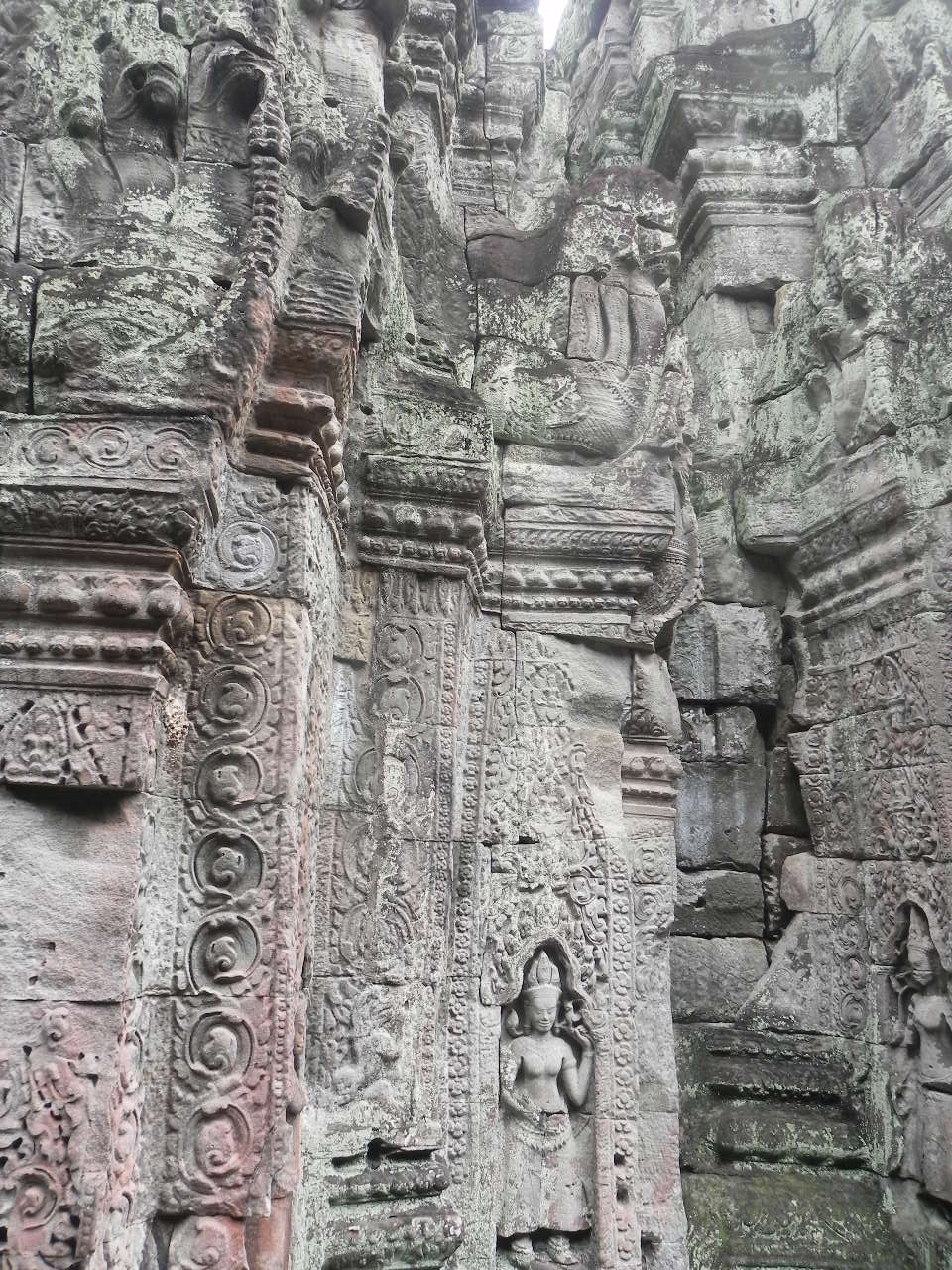

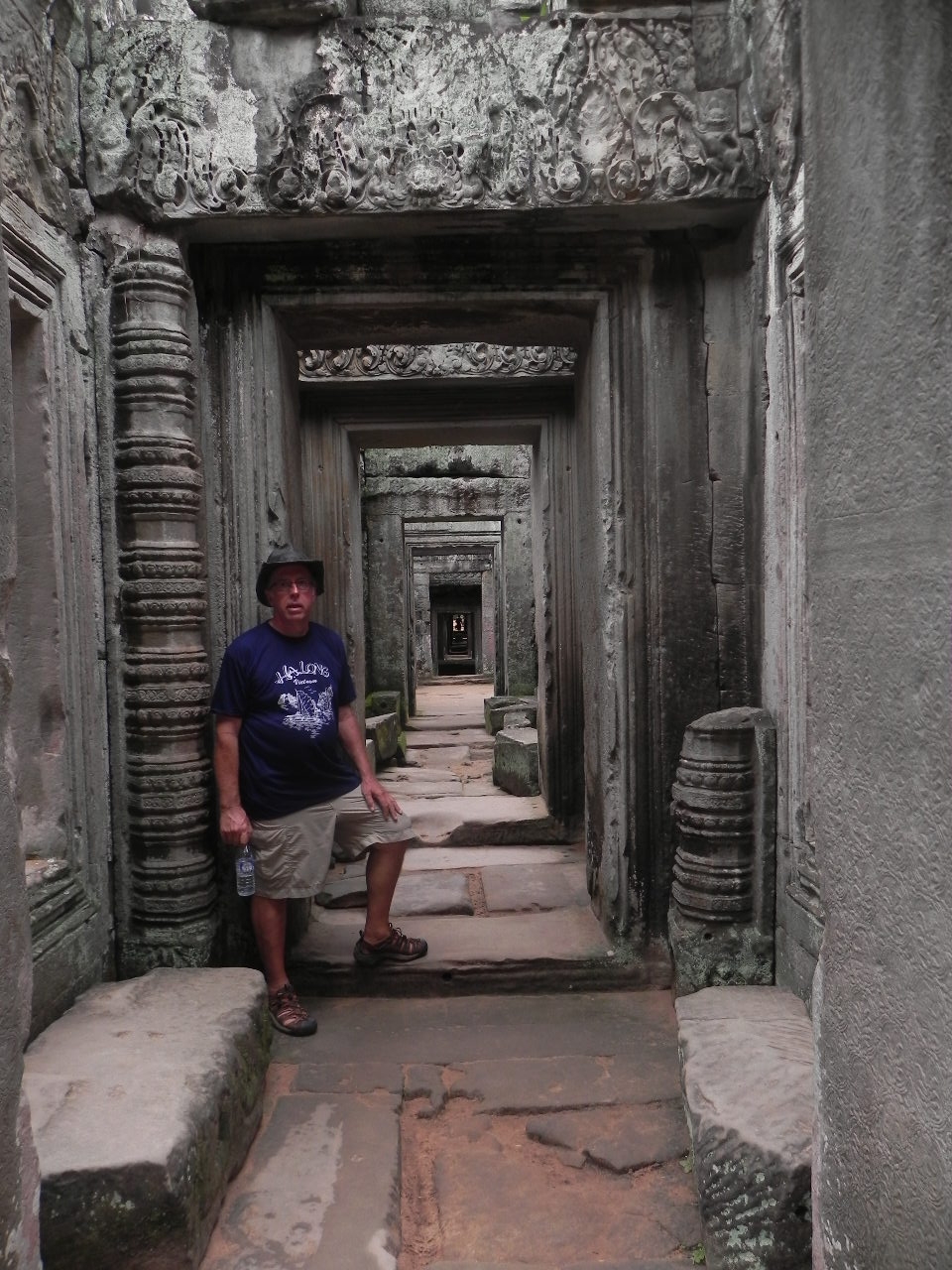

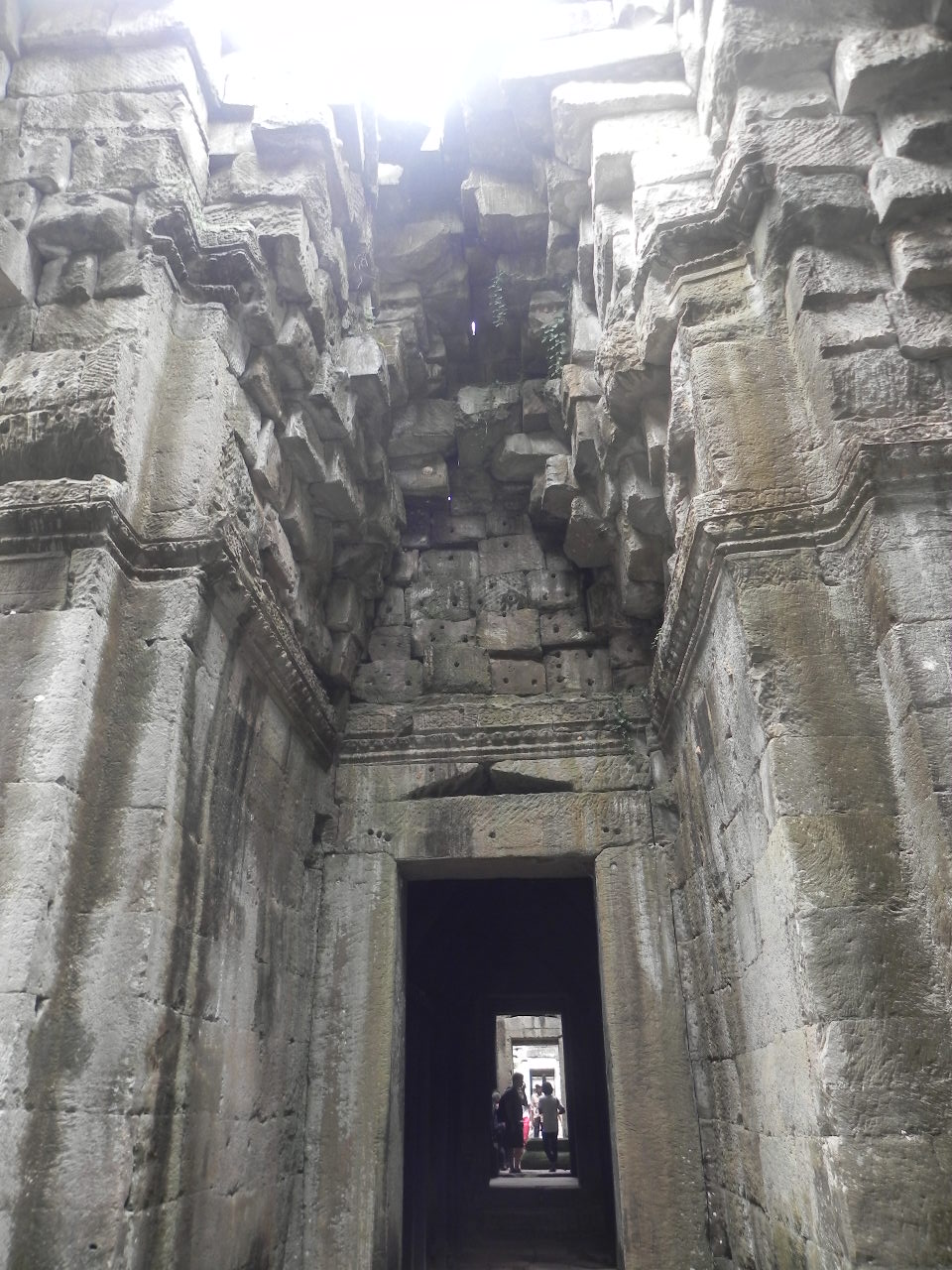

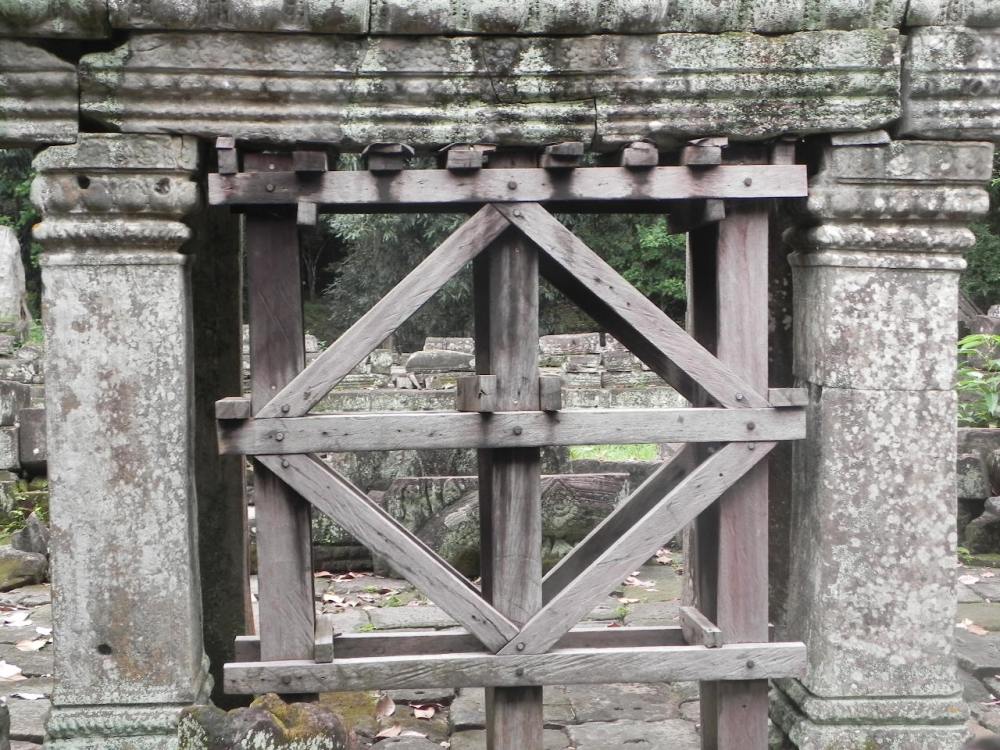

Bayon
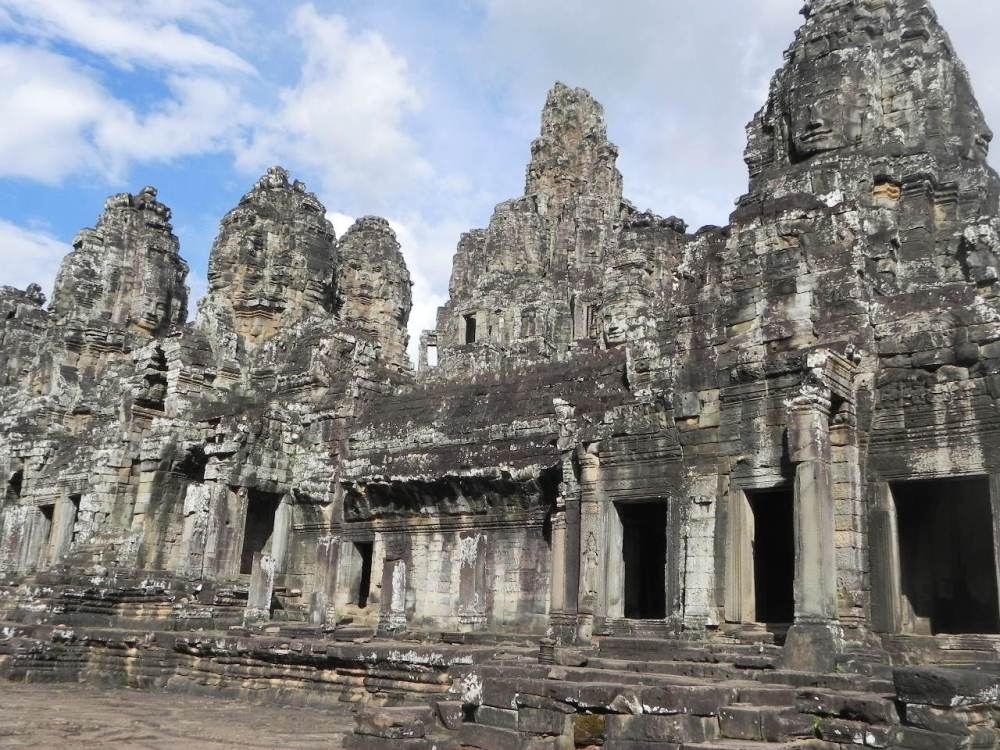
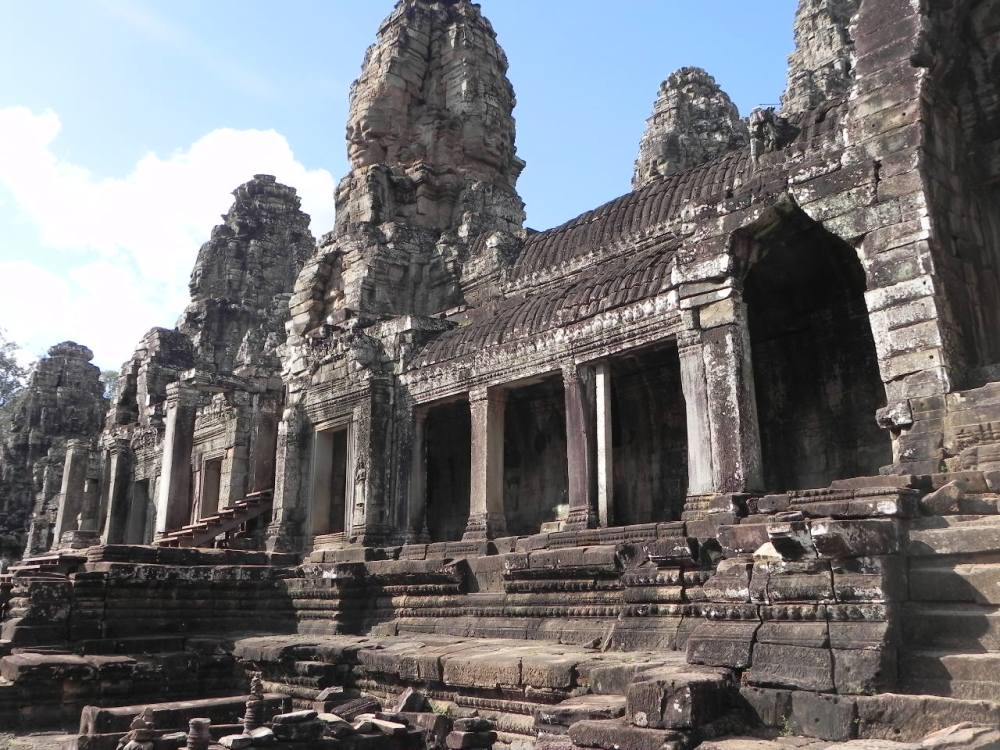
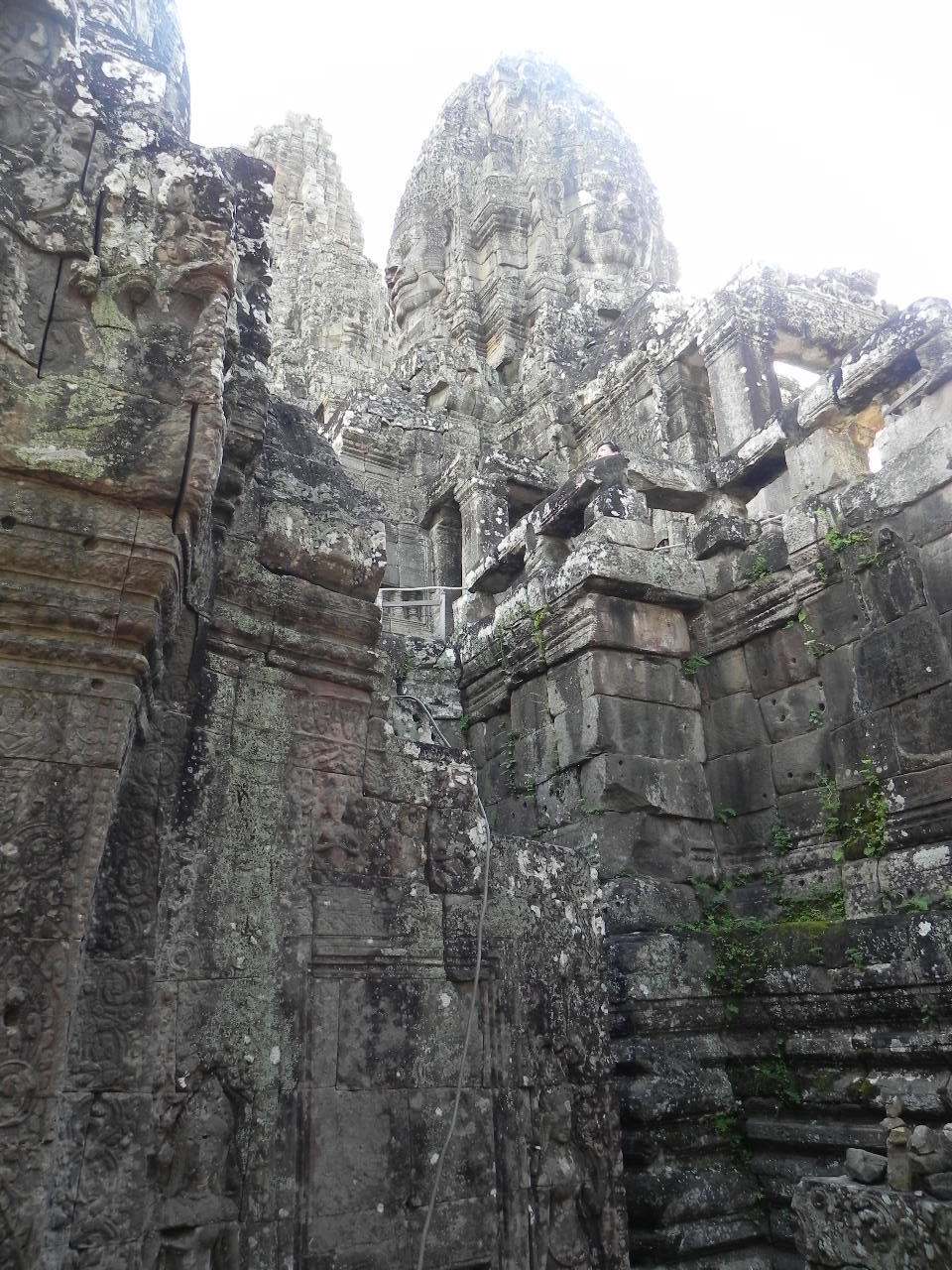
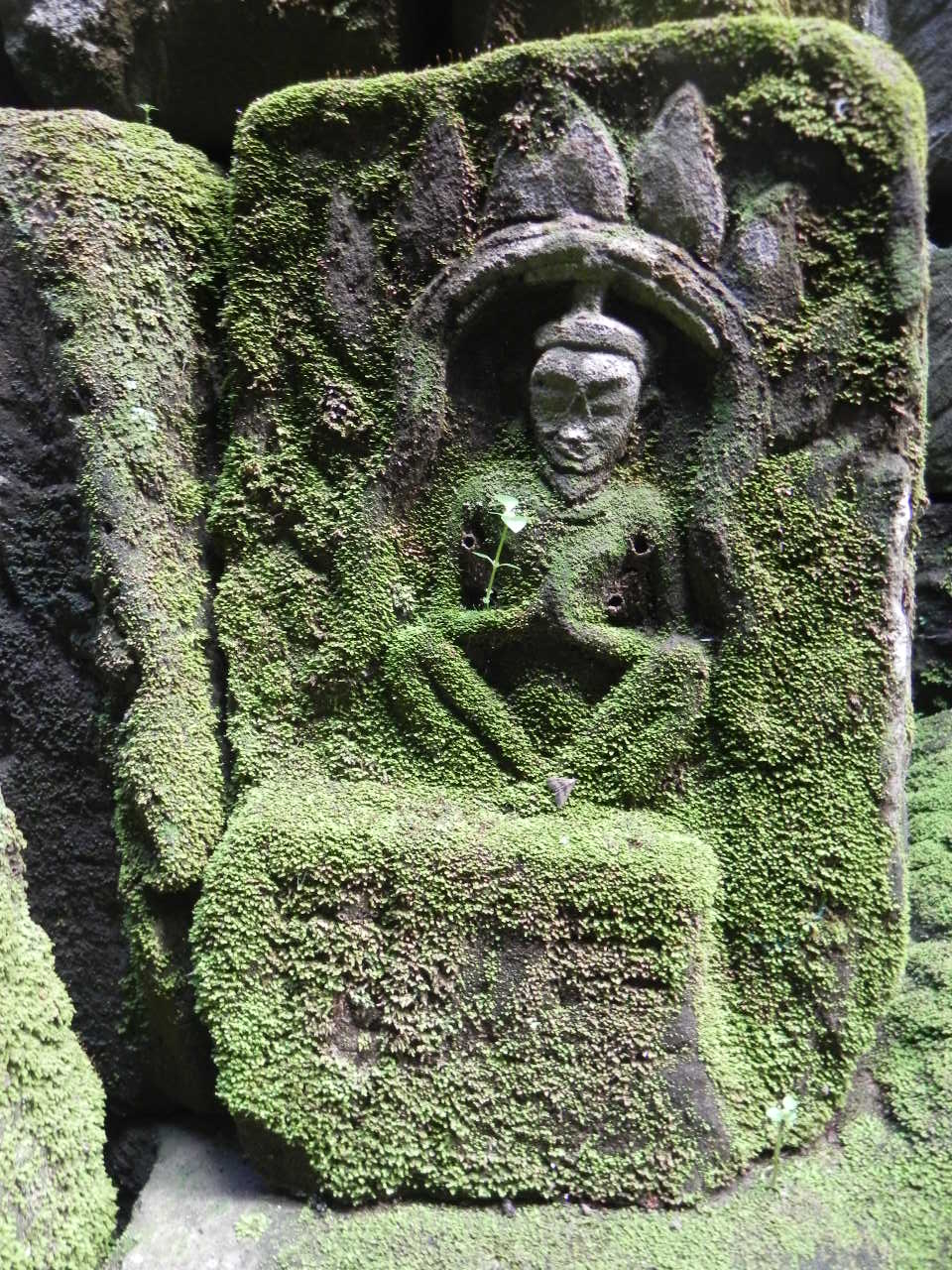

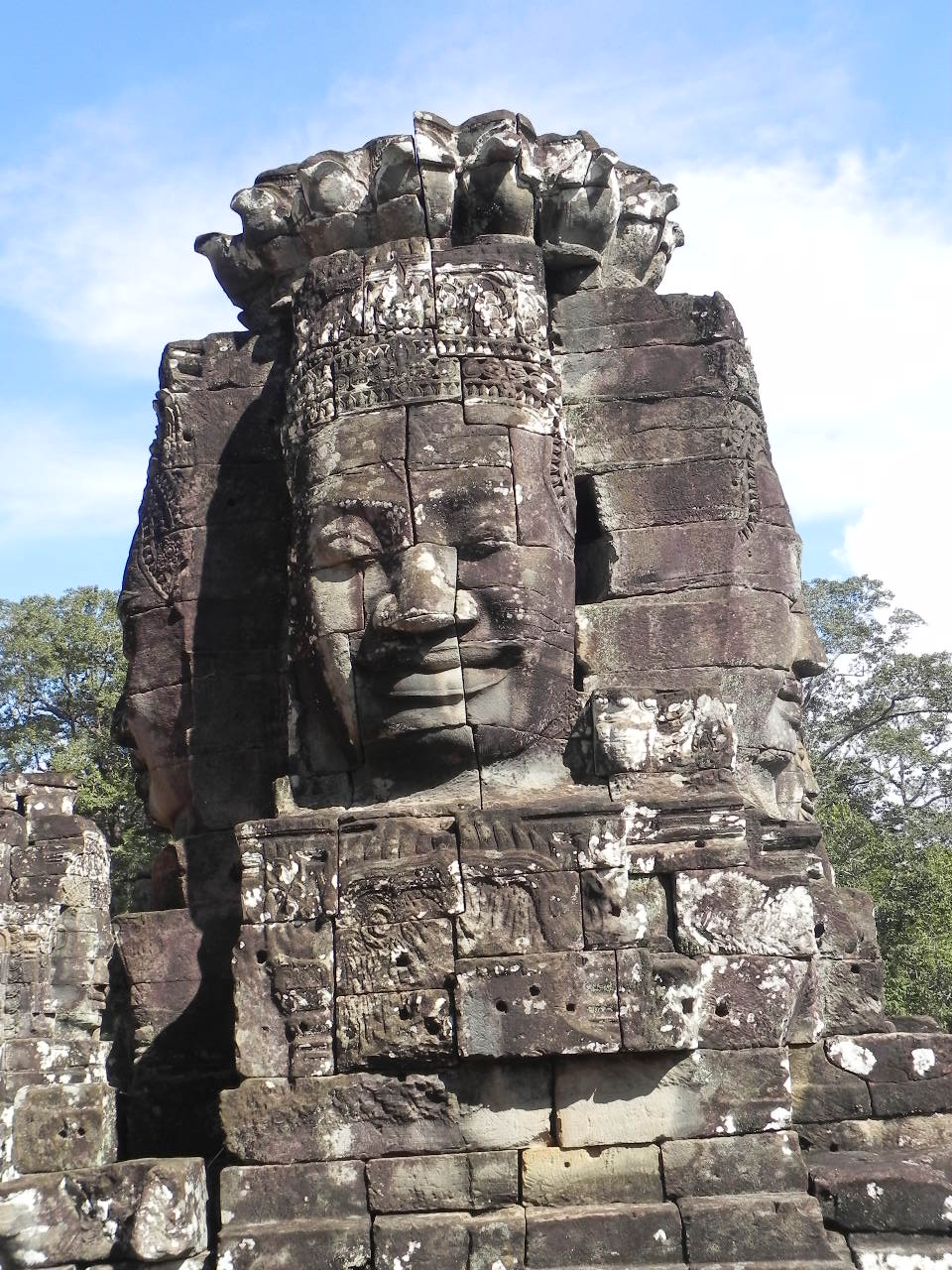


The temples ranged in size from Neak Pean that you did not even enter as it “floats” in the middle of a small lake to Bayon which is massive in size and takes a couple of hours to tour. Our favorite today was Preah Kan which they thought was a Buddhist University. By the way, some of the temples are Hindu, some are Buddhist, and some are a mixture and they were built by 24 different Khmer Kings over a period of about 600 years. Many more buildings were believed to have been built in the 11th and 12th century but they were built of wood and did not survive.
One more stop for today was The Killing Fields in Siem Reap. 
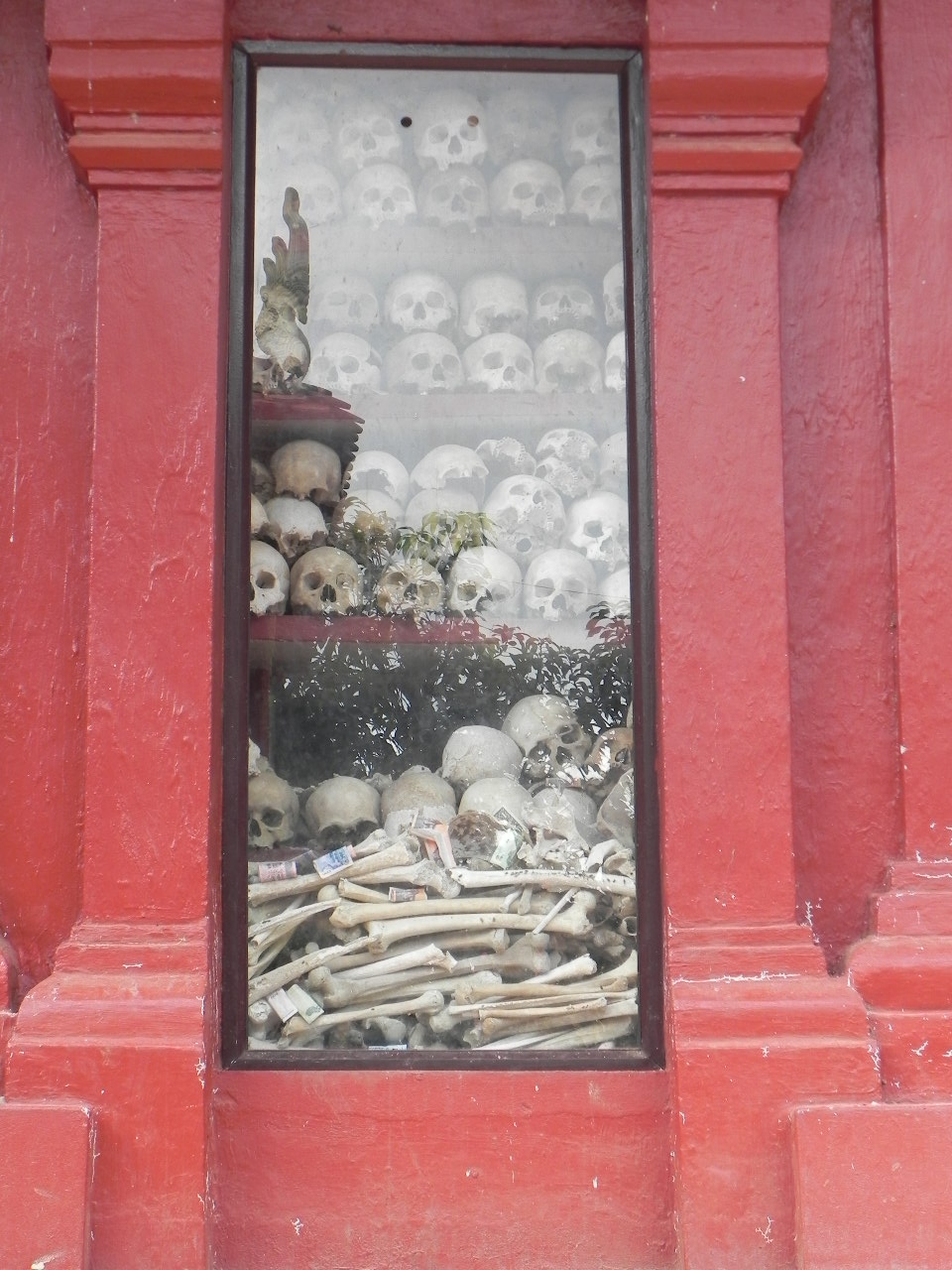

For those of you have suggested it, I did read The Rent Collector and have begun reading a biography of Pol Pot.
 GalavantingGeezers.ninja
Enjoying the world along with you two. I have a friend, survivor of the Khmer Rouge. It must be hot over there!!!
LikeLike
The stone work seems rough – I wonder what it all looked like covered with stucco. Some of the overall design reminds me of temples of central America (just don’t look too close at the figures)
LikeLike