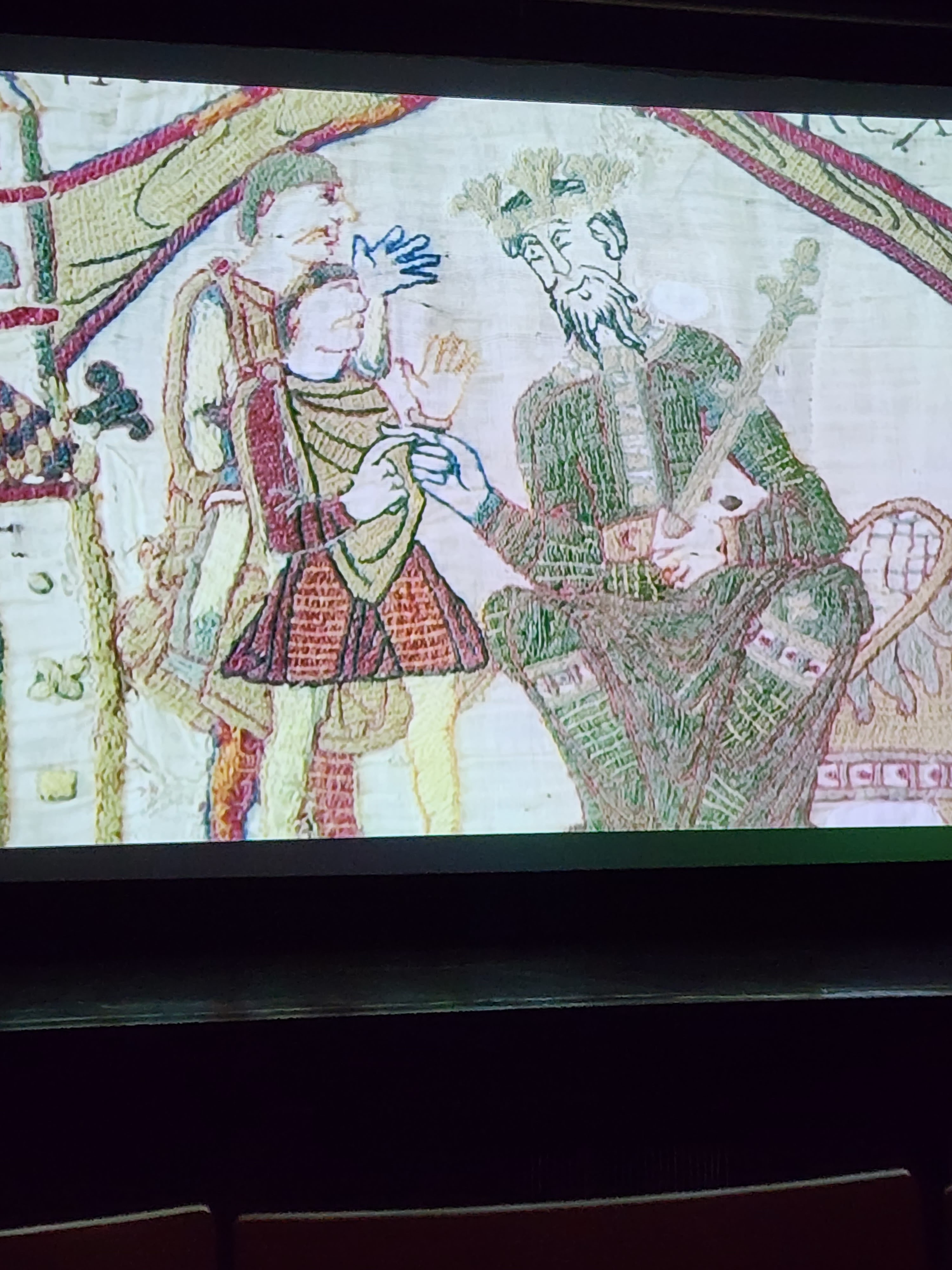
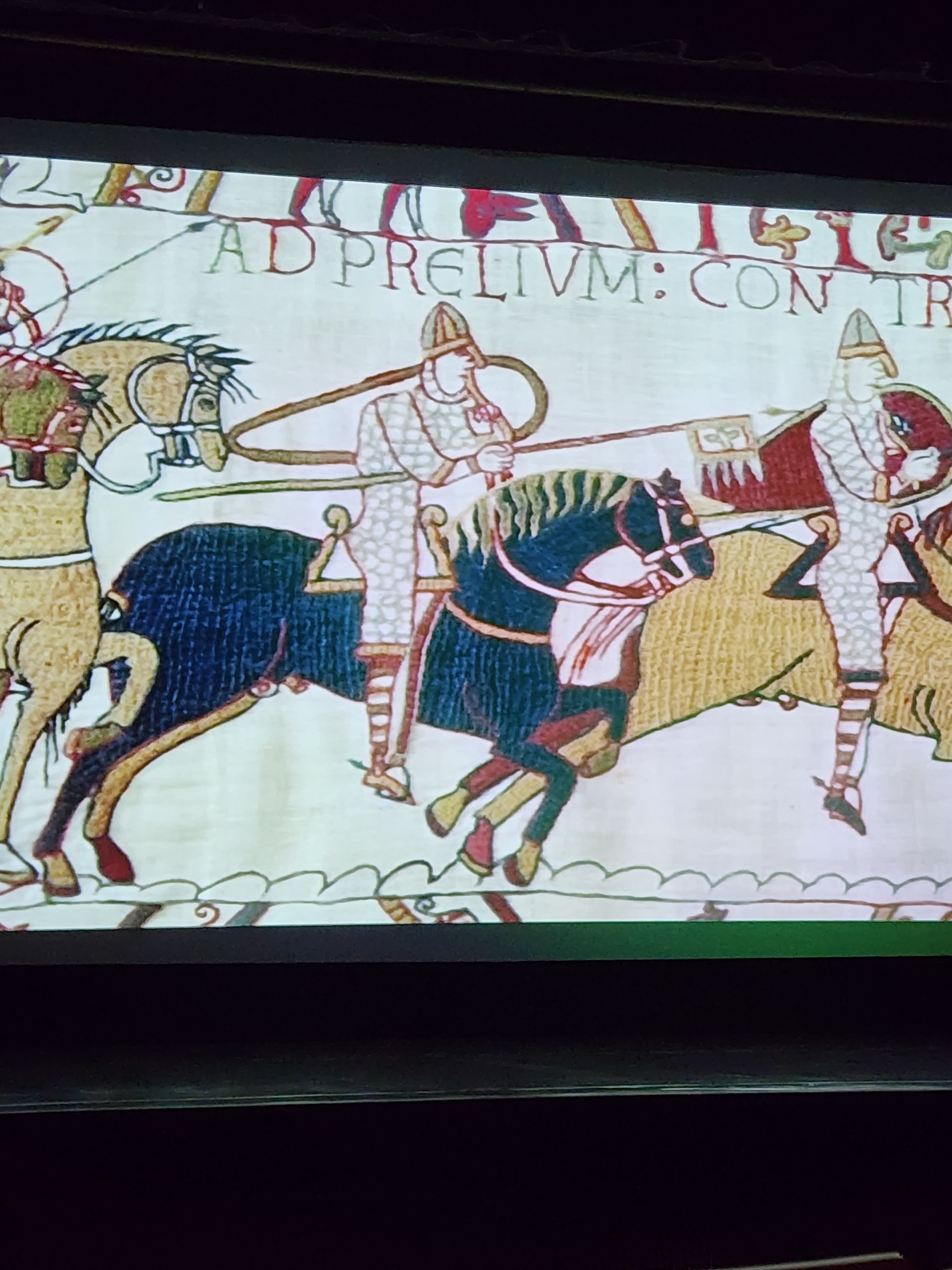
230 feet long, 20 inches high….an amazing story told in crewel embroidery of the Norman conquest of England. Long story short, William Duke of Normandy, the rightful heir to the throne, challenged Harold II, King of England in 1066. The tapestry was thought to be finished just a couple of years after this. There is much debate over who commissioned the Tapestry. But whoever did, I am grateful. There are only 3 different stitches used and the colors used were terracotta or russet, blue-green, dull gold, olive green, and blue, with small amounts of dark blue or black and sage green. When an area needs to be restored it is sewn in black to differentiate the original and the restoration.
The Tapestry used to be displayed once a year on the anniversary of the 14 hour battle, in the Cathedral Notre Dame in Bayeux. But in 1993, a museum dedicated to the Tapestry was built and it it now protected by glass and low lighting. Photos are not allowed so I snapped a few stills from the information movie.
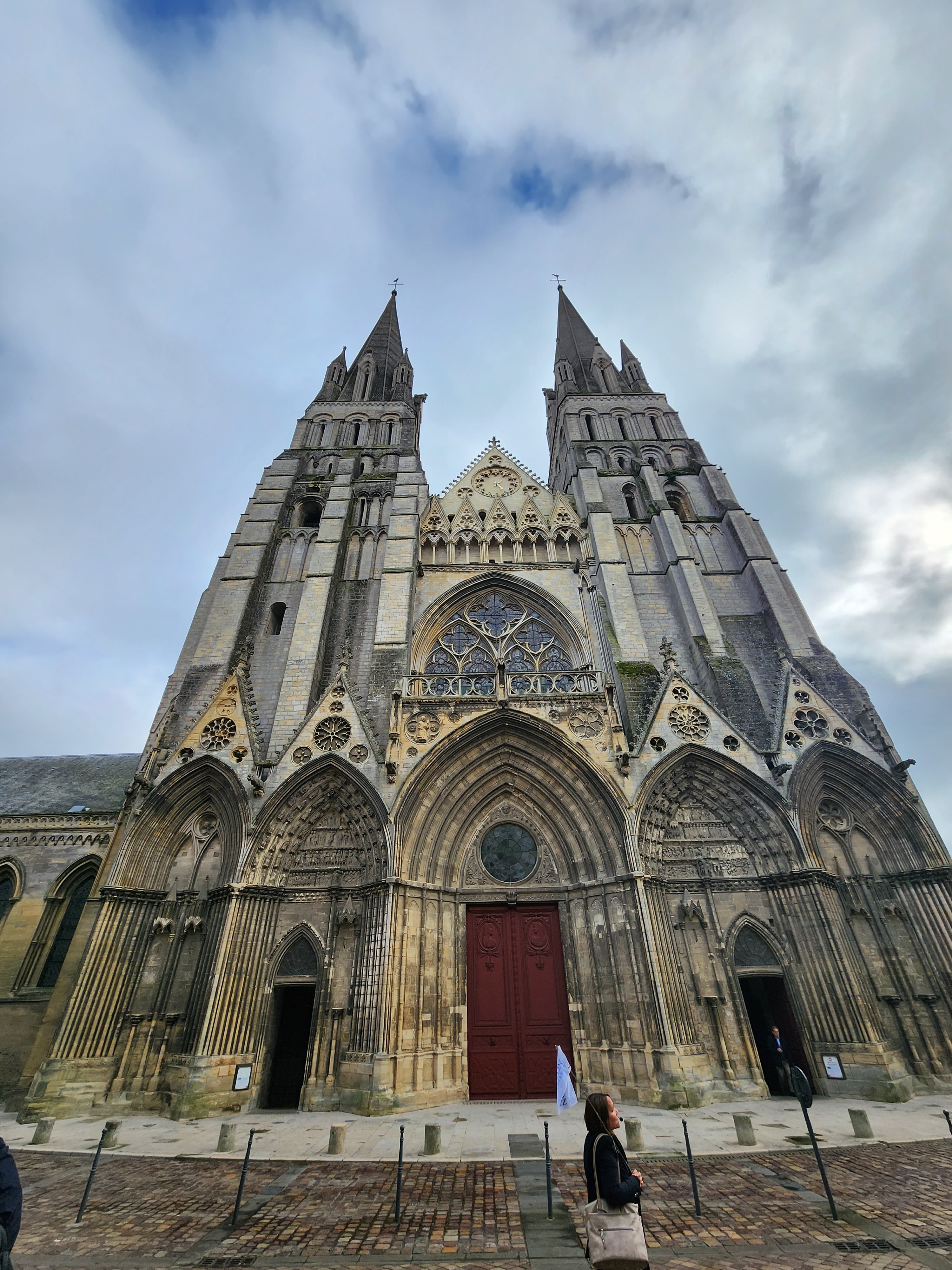
On to the Cathedral of Notre Dame Bayeux. This church was gorgeous. Dating back to 1077, yes, 1077. The architecture is fantastic and so beautiful.
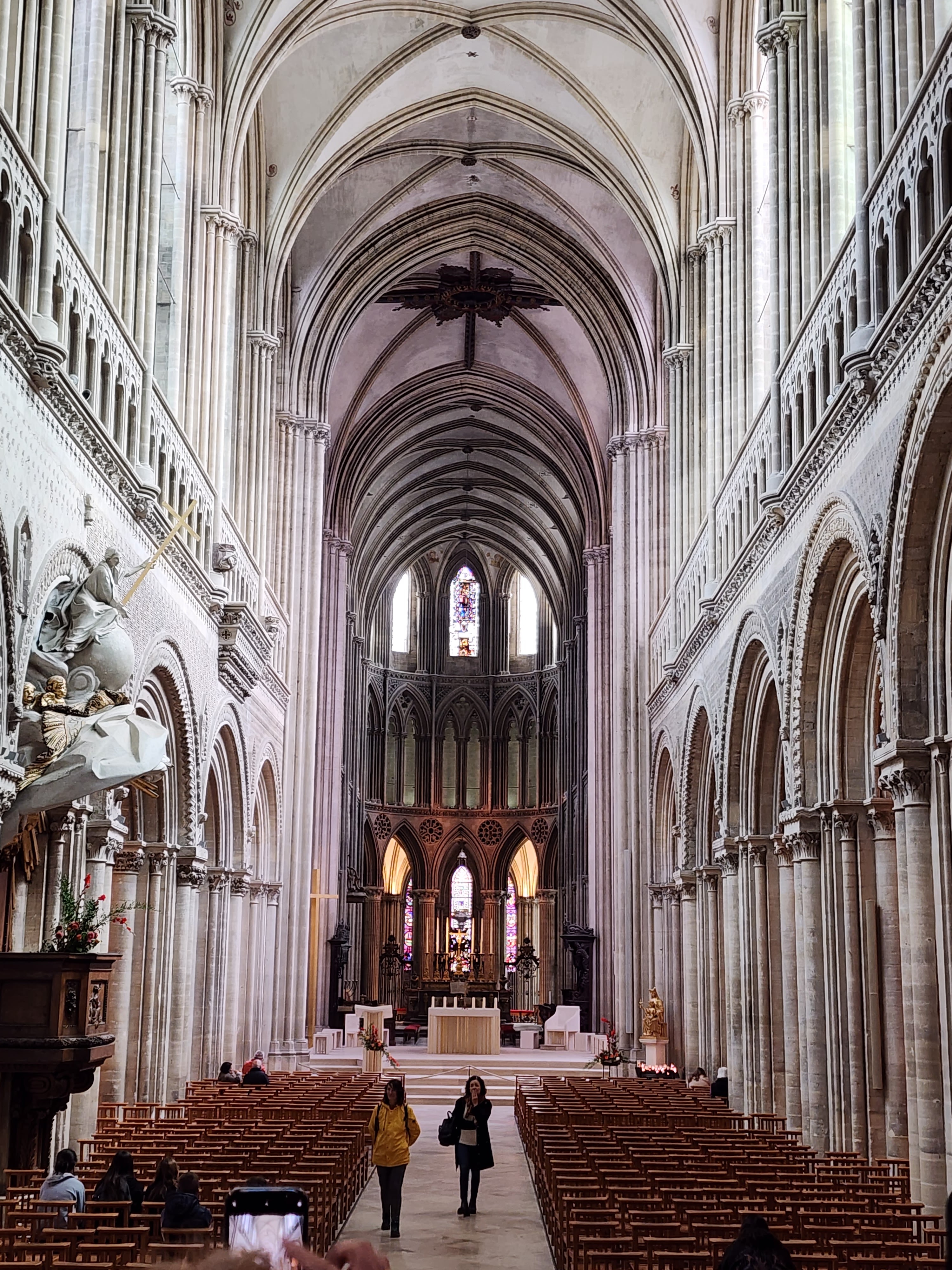

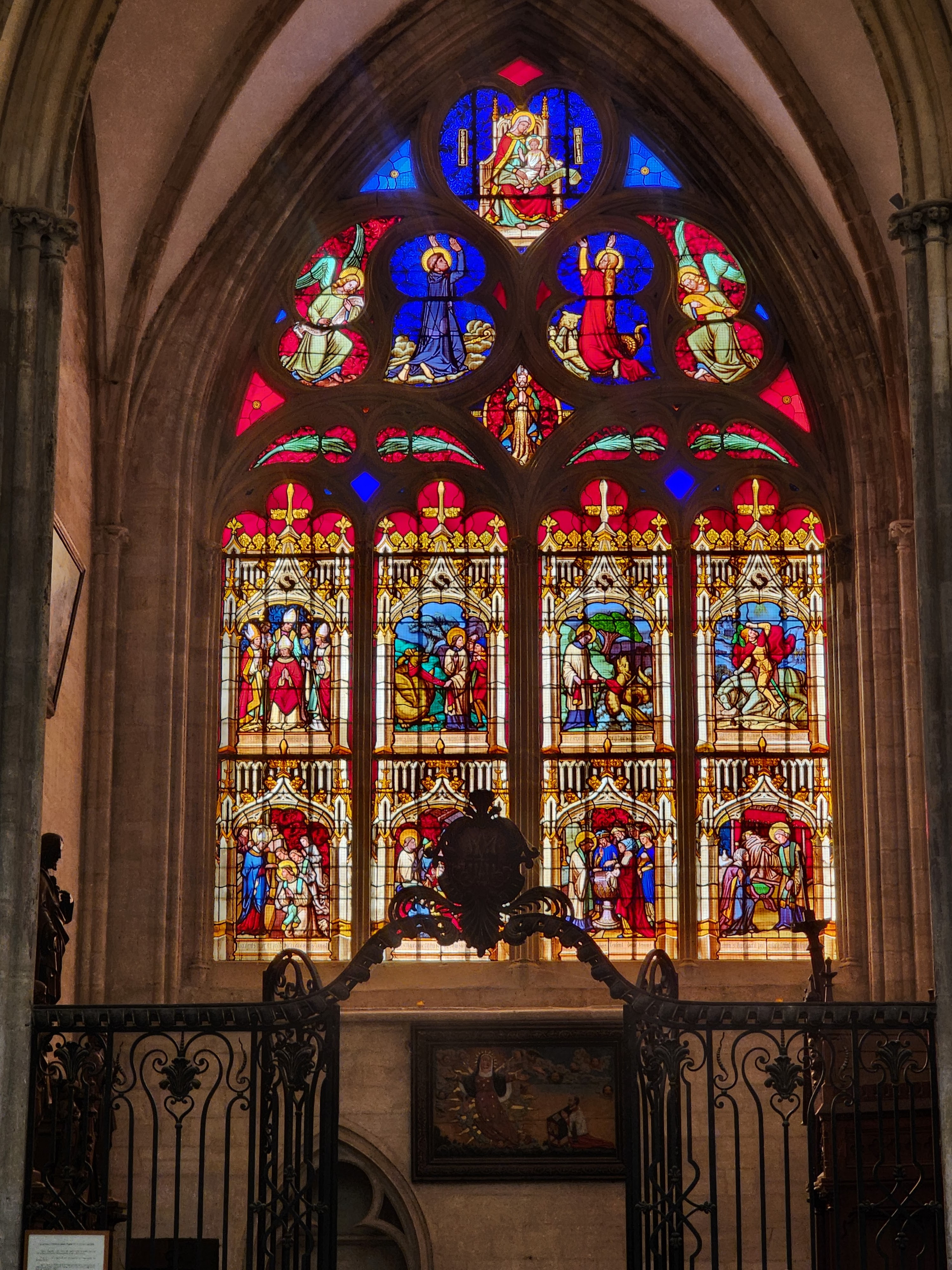
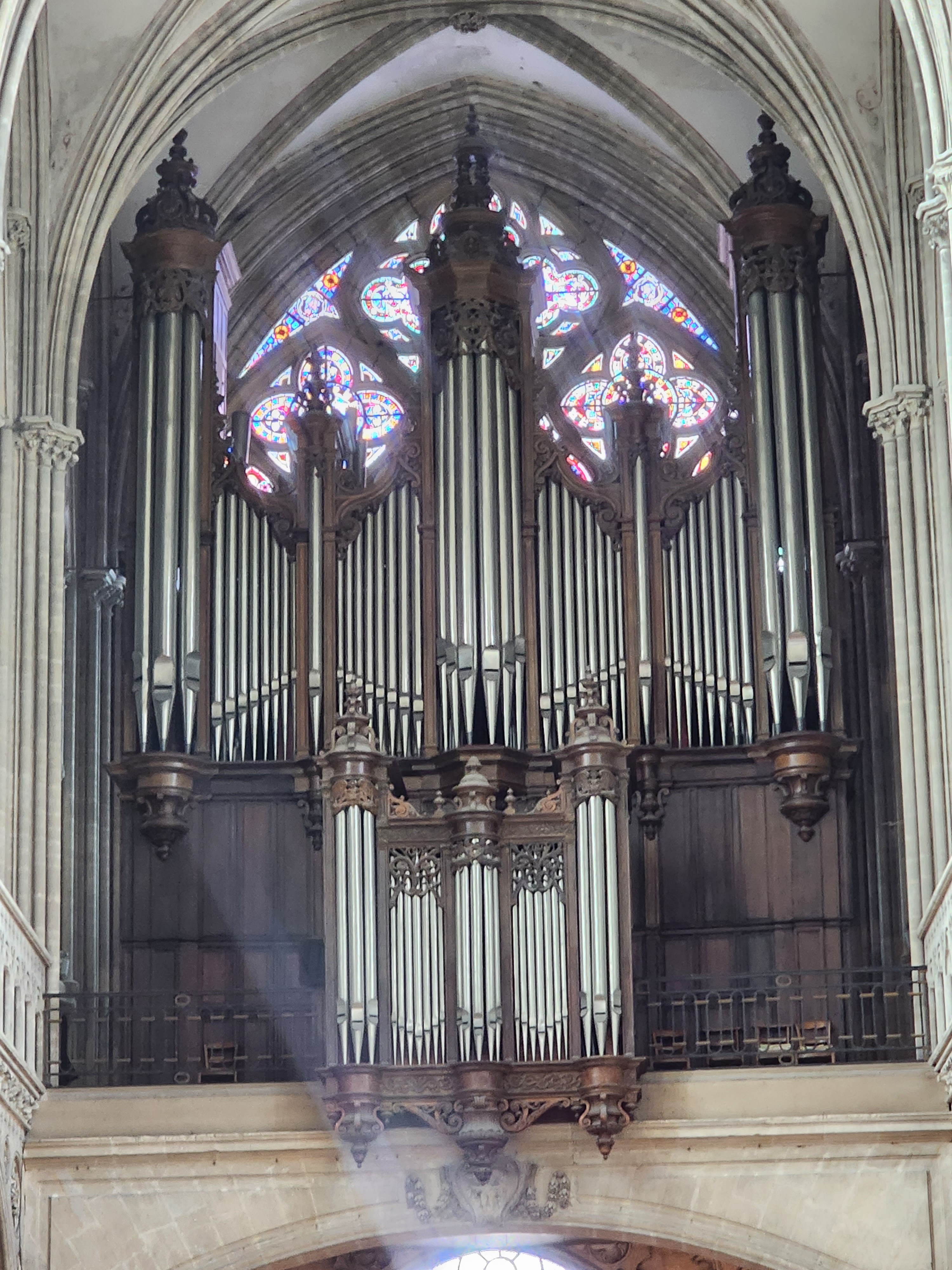
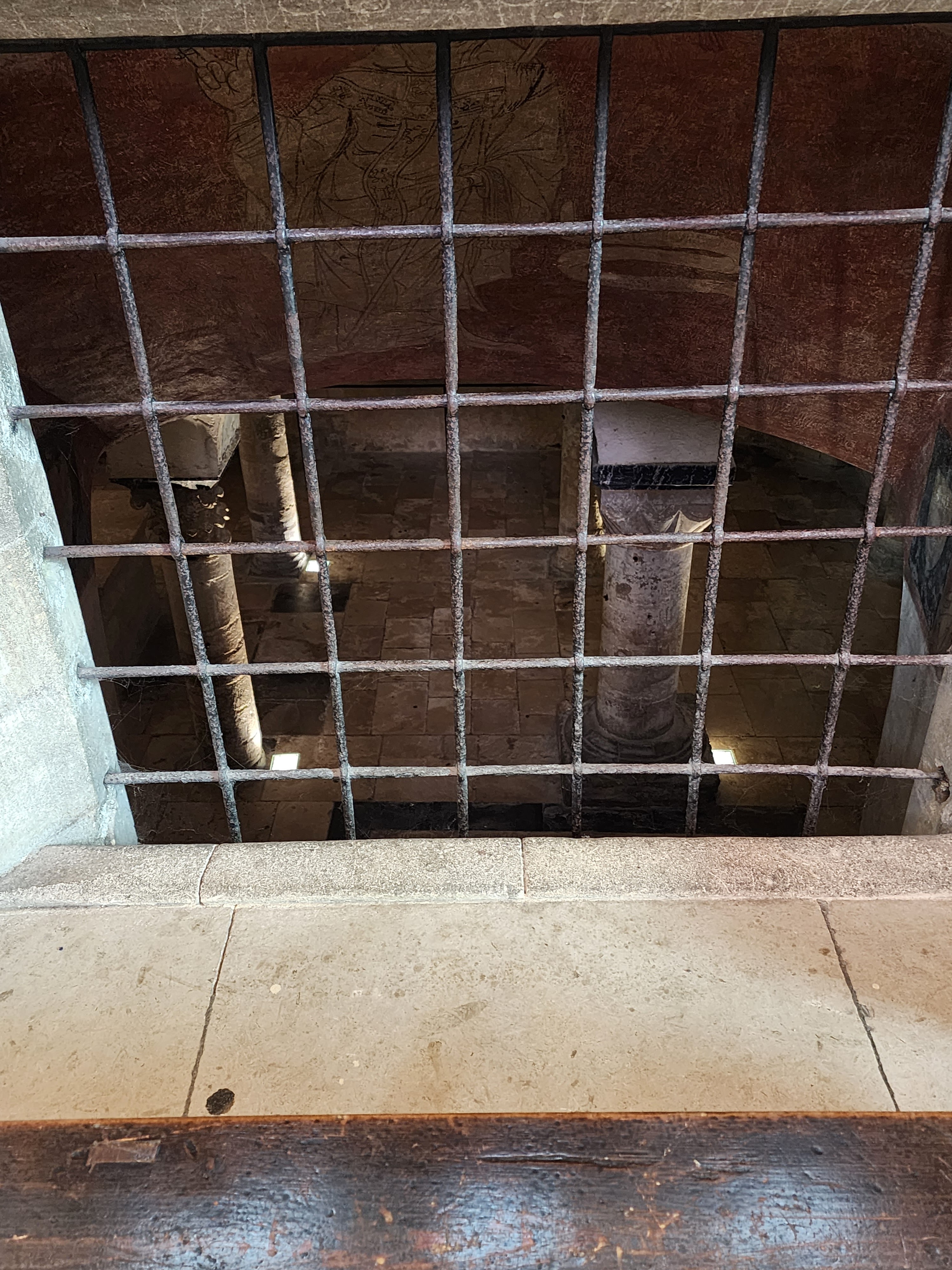
We were allowed in the crypt which is very unusual. It was very cool.
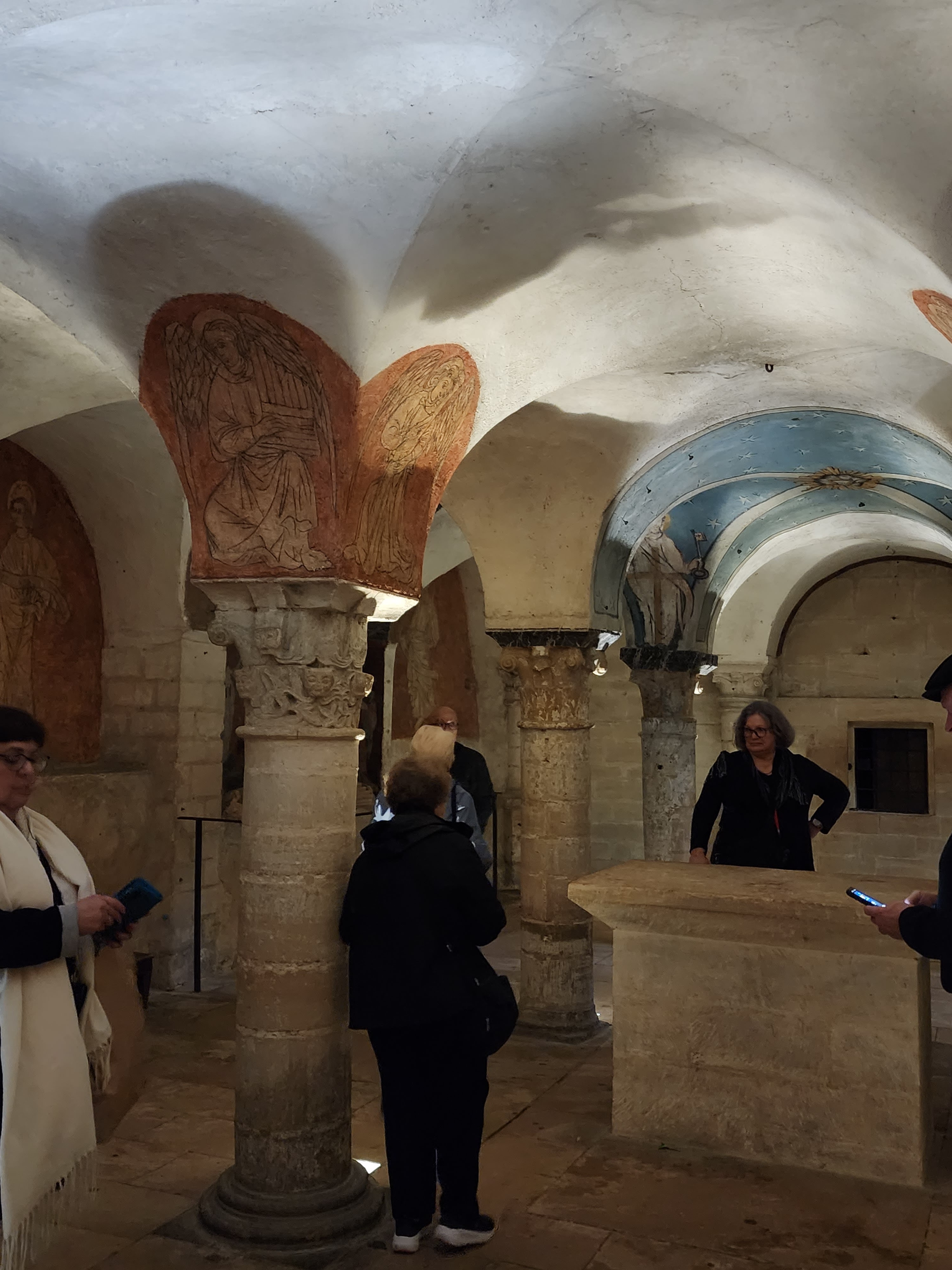
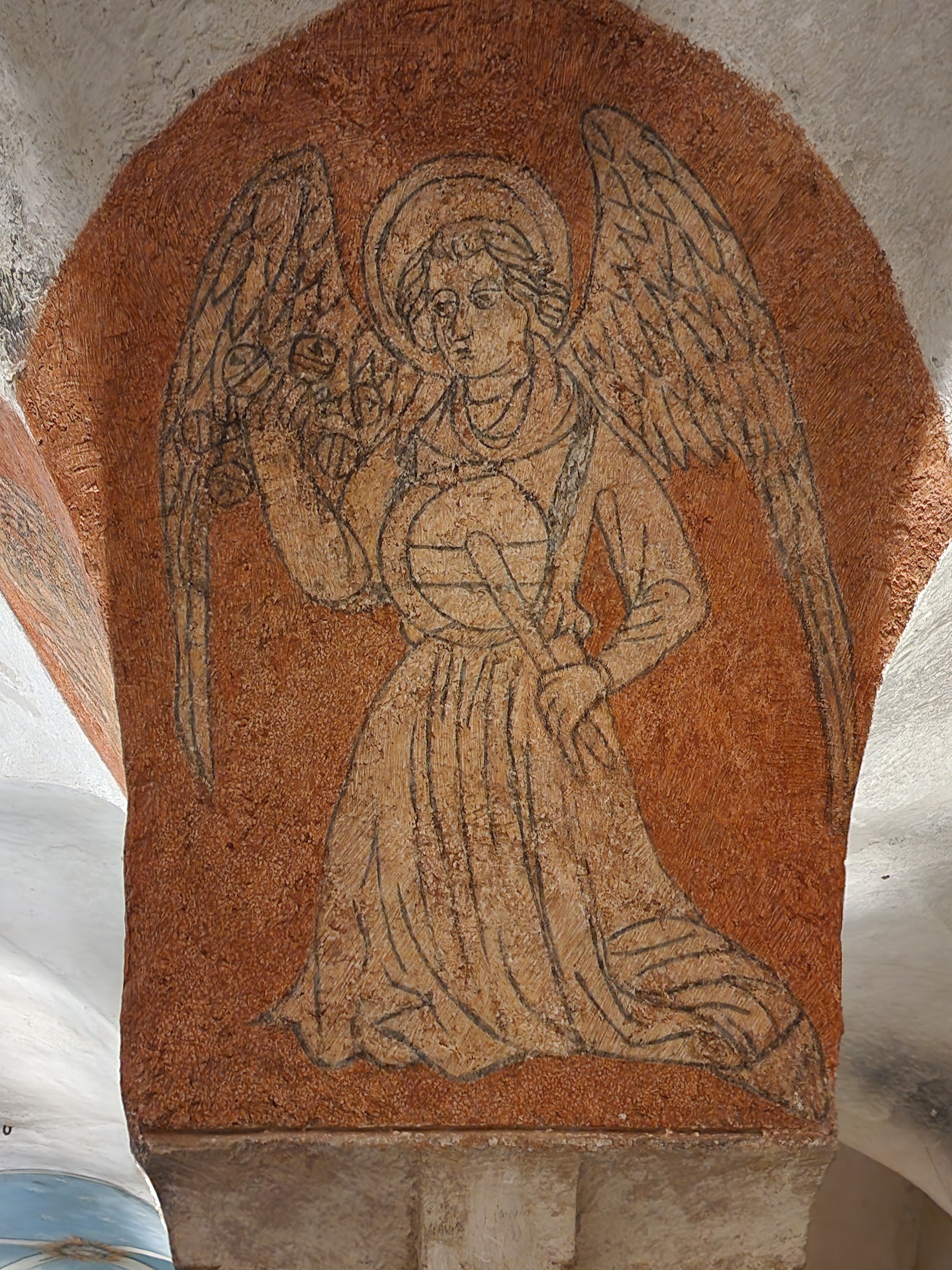
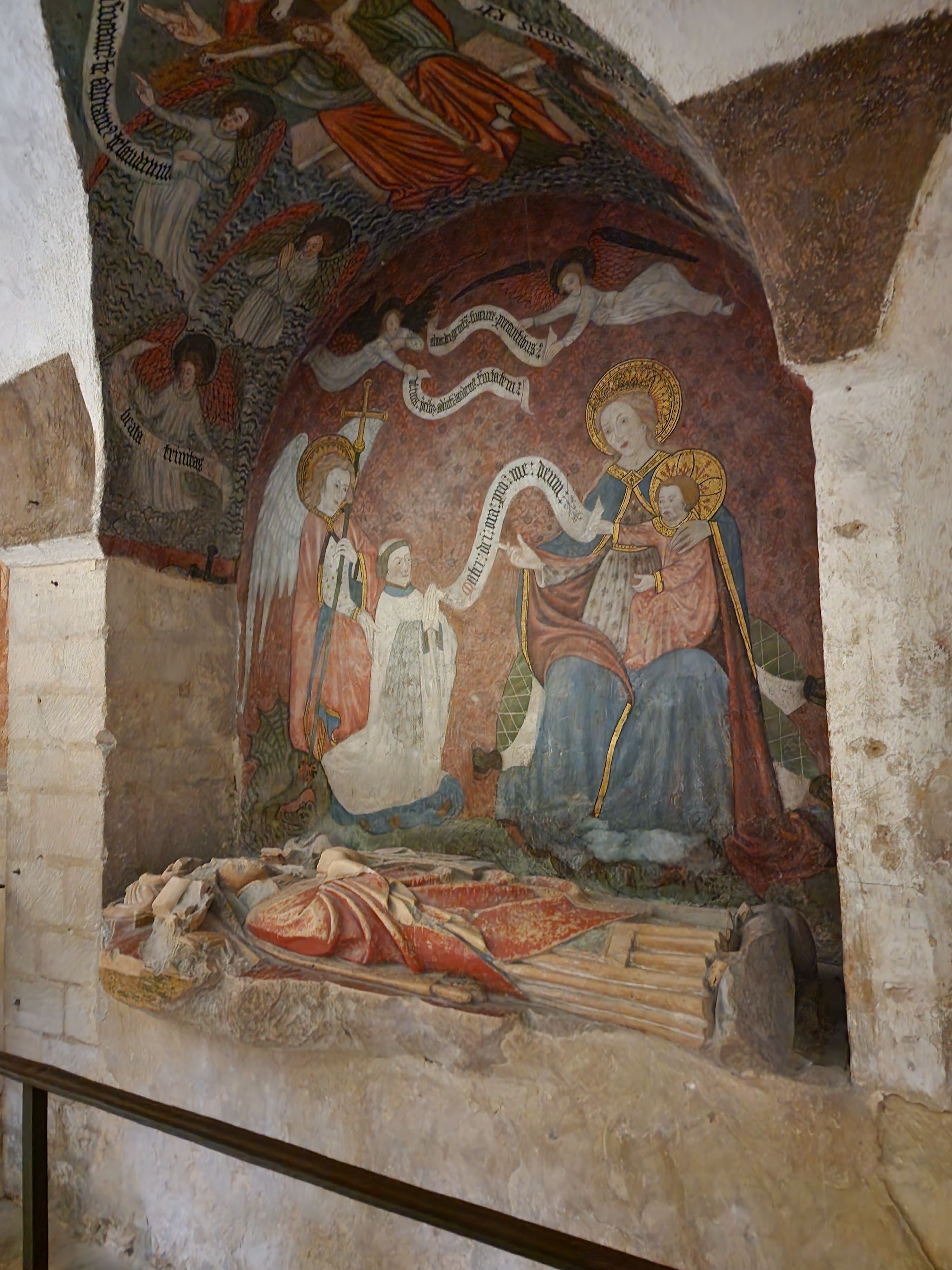
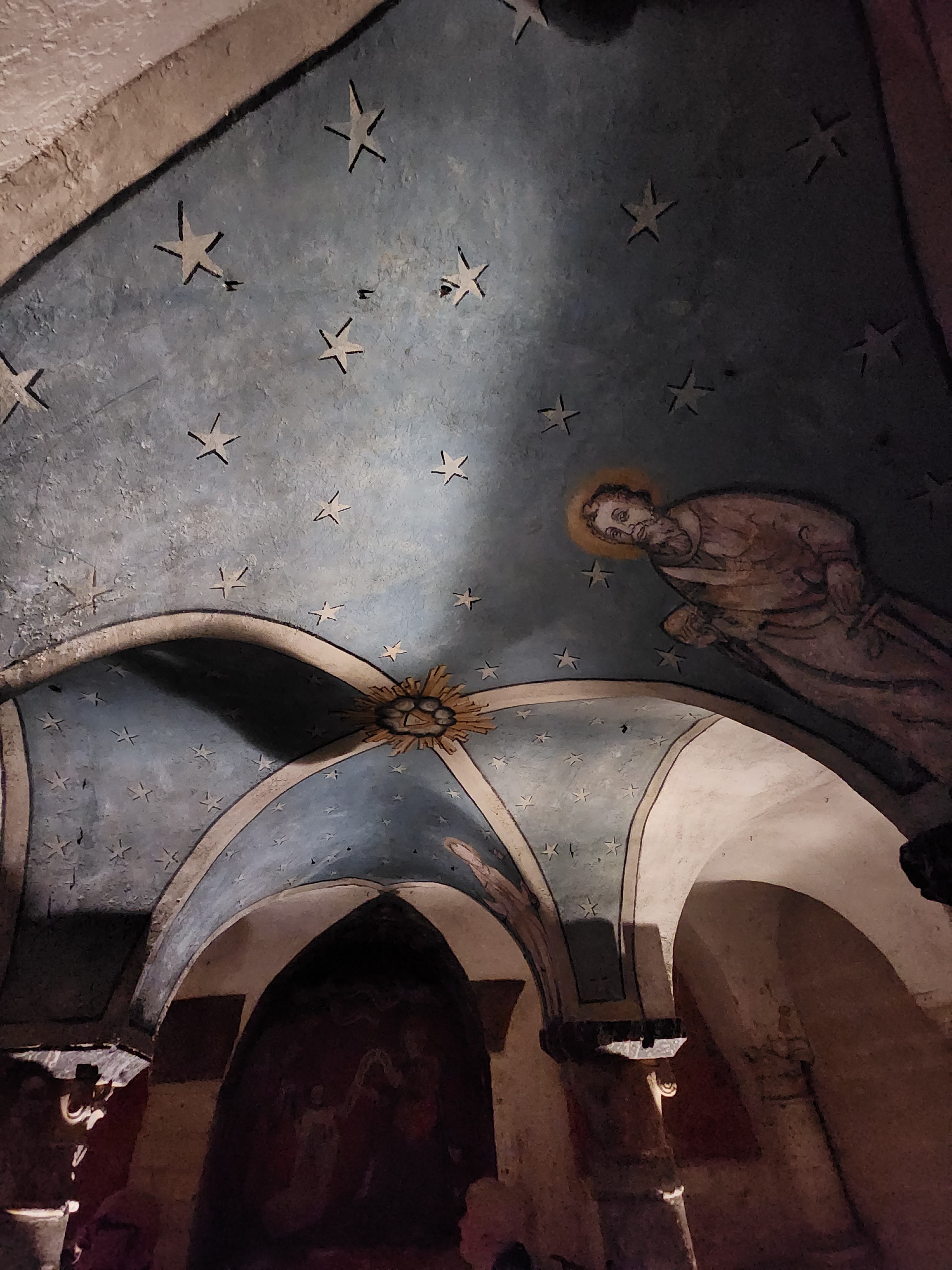
The town of Bayeux is quaint and small (approx 13,000 residents) and so beautifully in-tact. The town was ravaged by the Vikings in the 9th century but was largely rebuilt in the 10th century. Bayeux was spared fighting in WWII so all is well preserved.
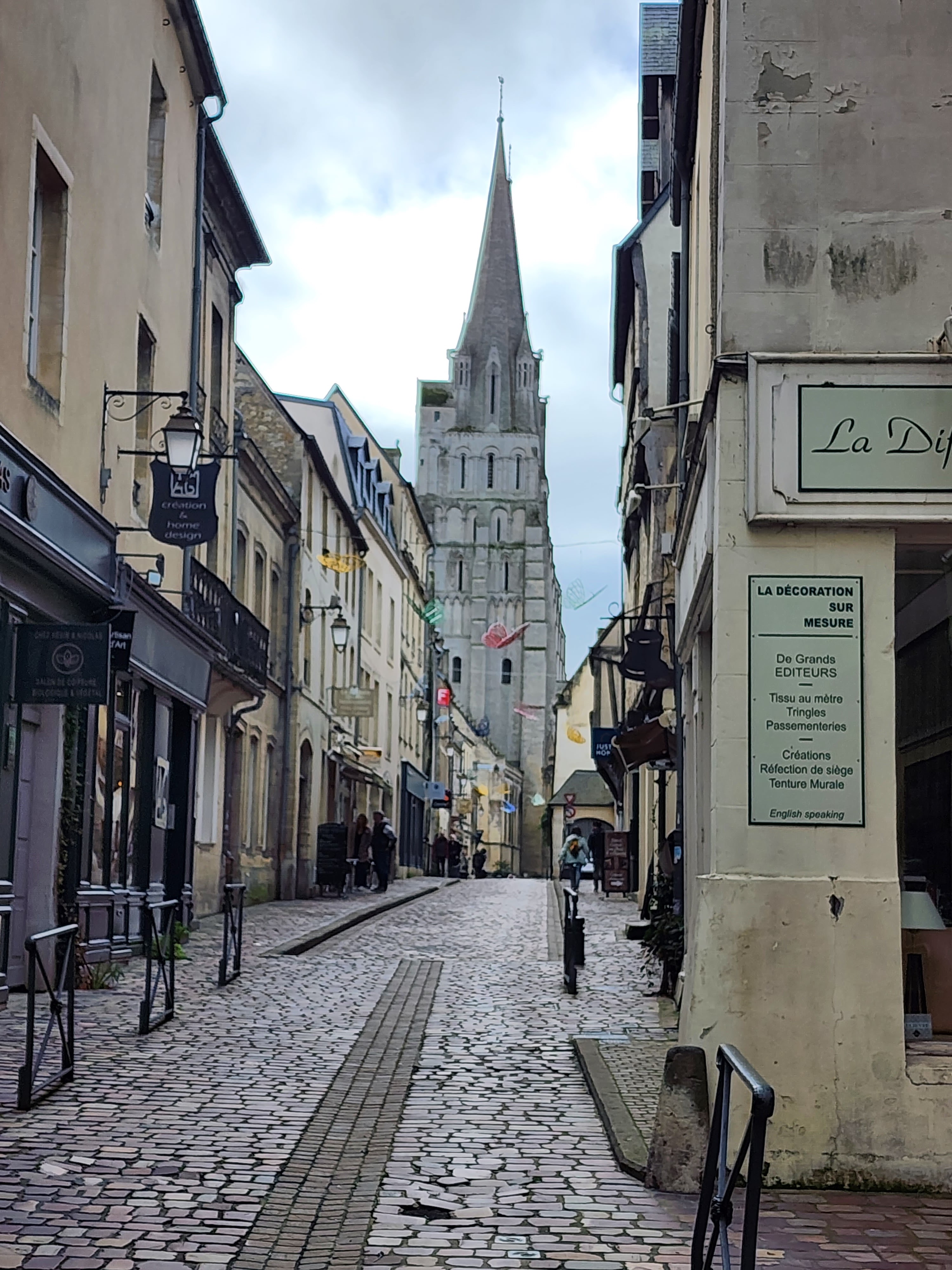
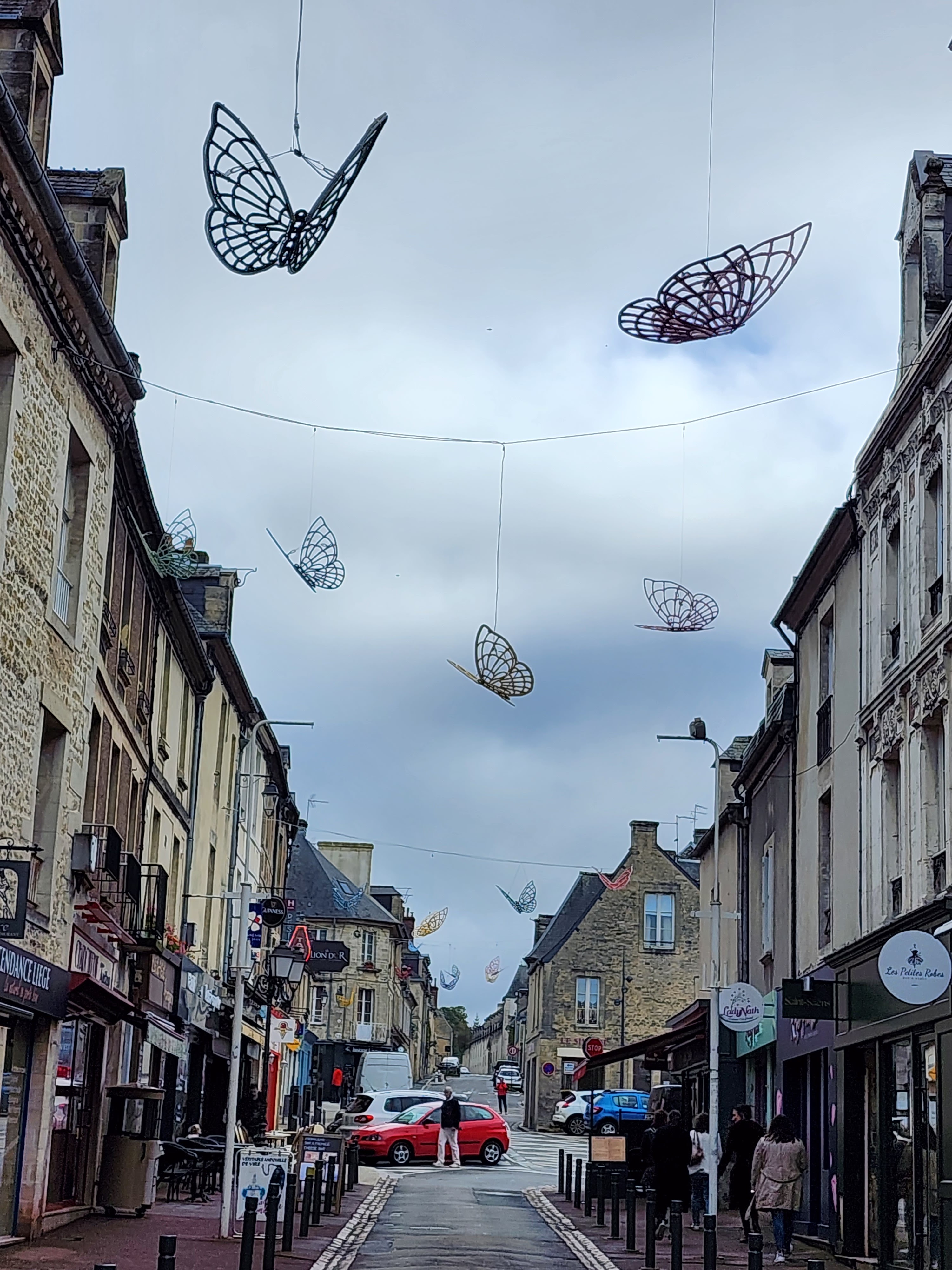
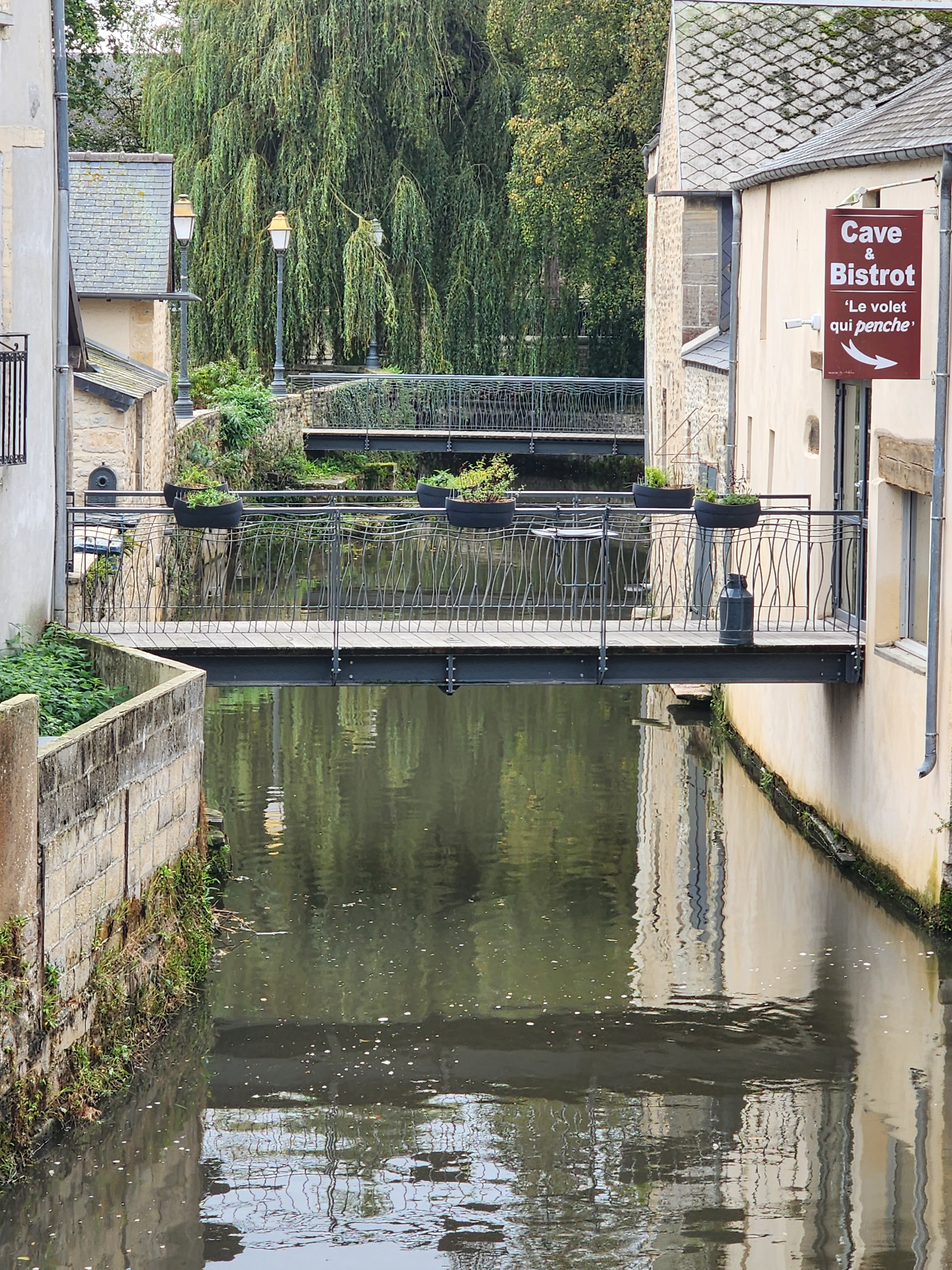
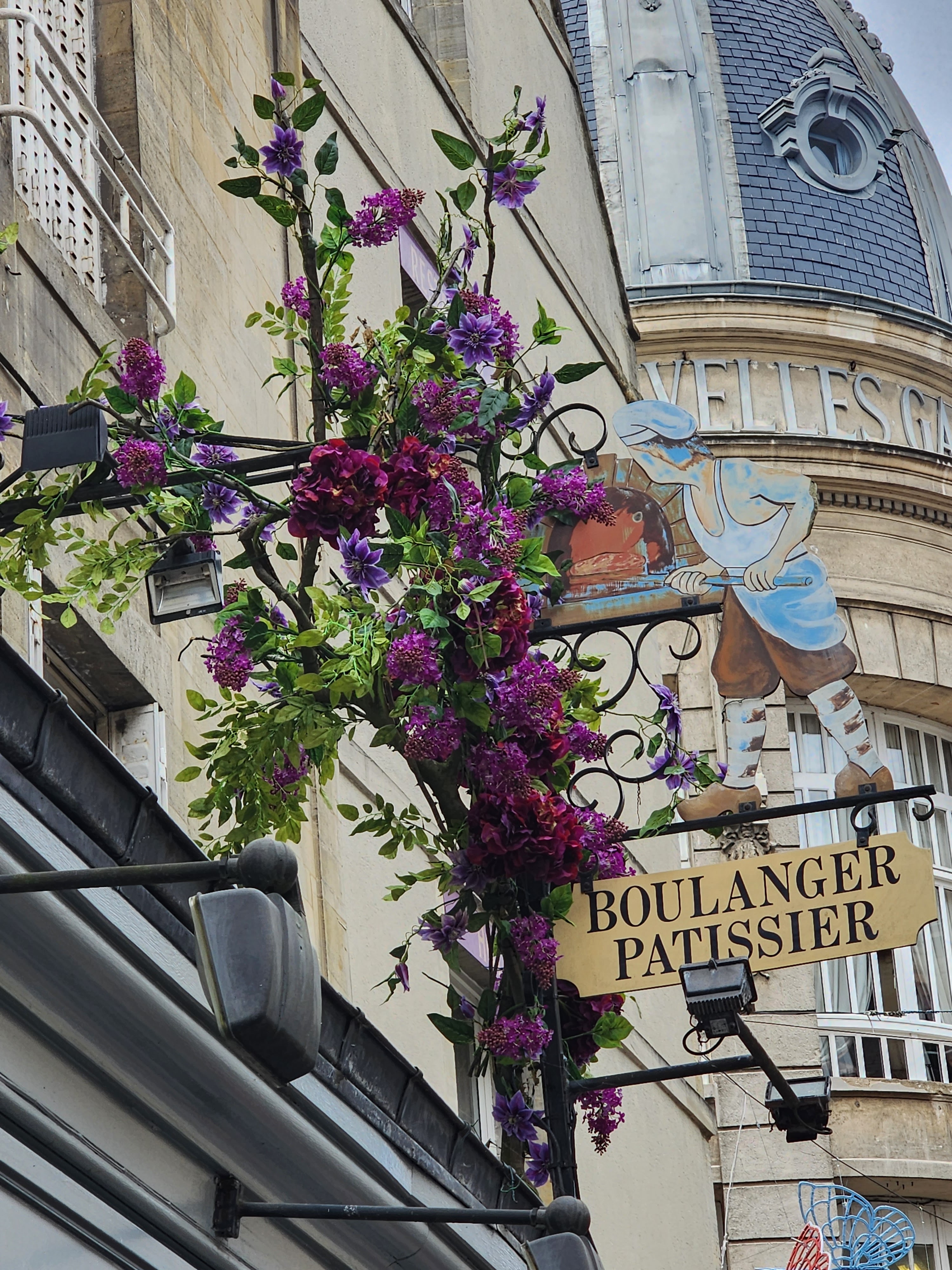
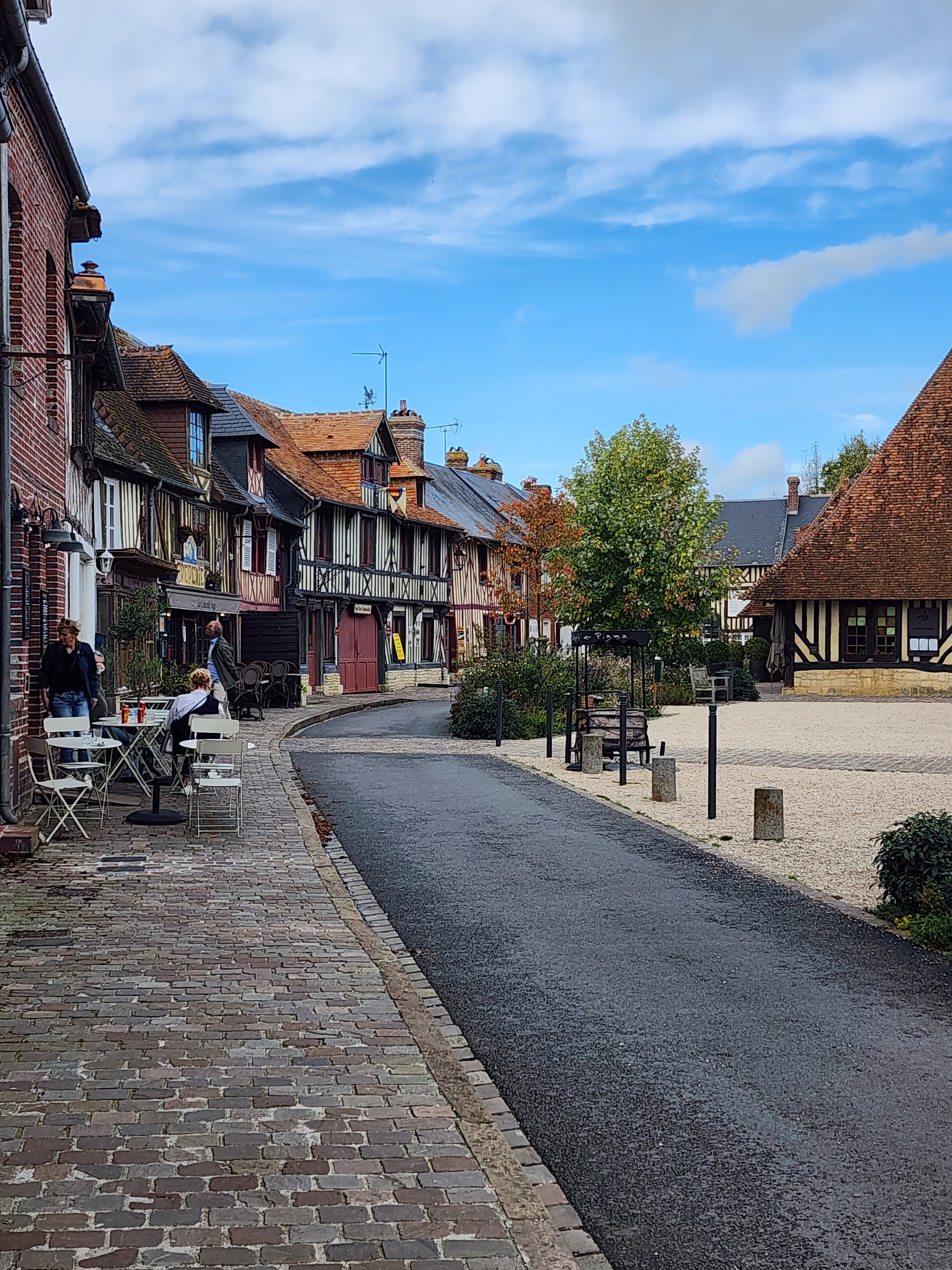
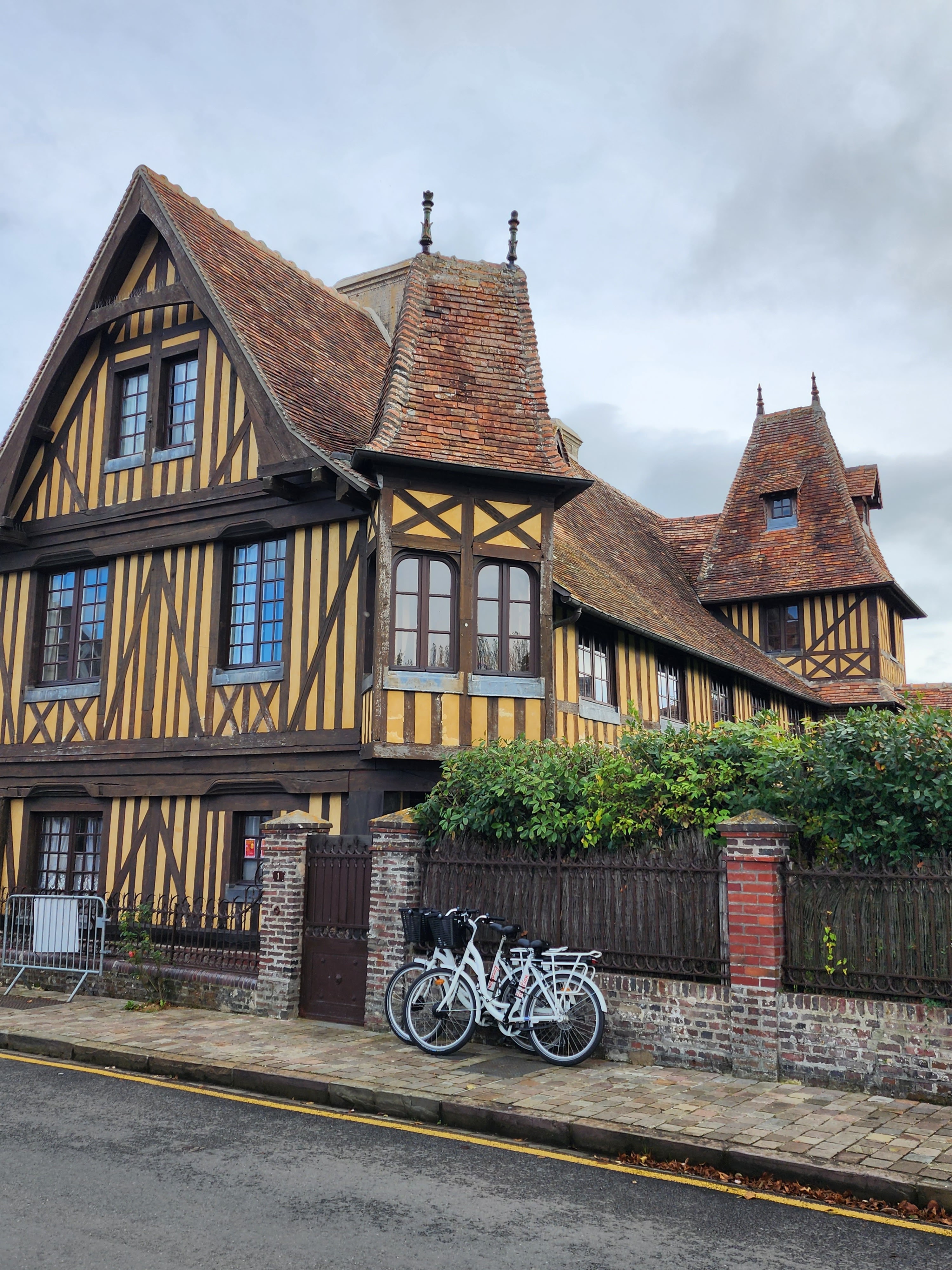
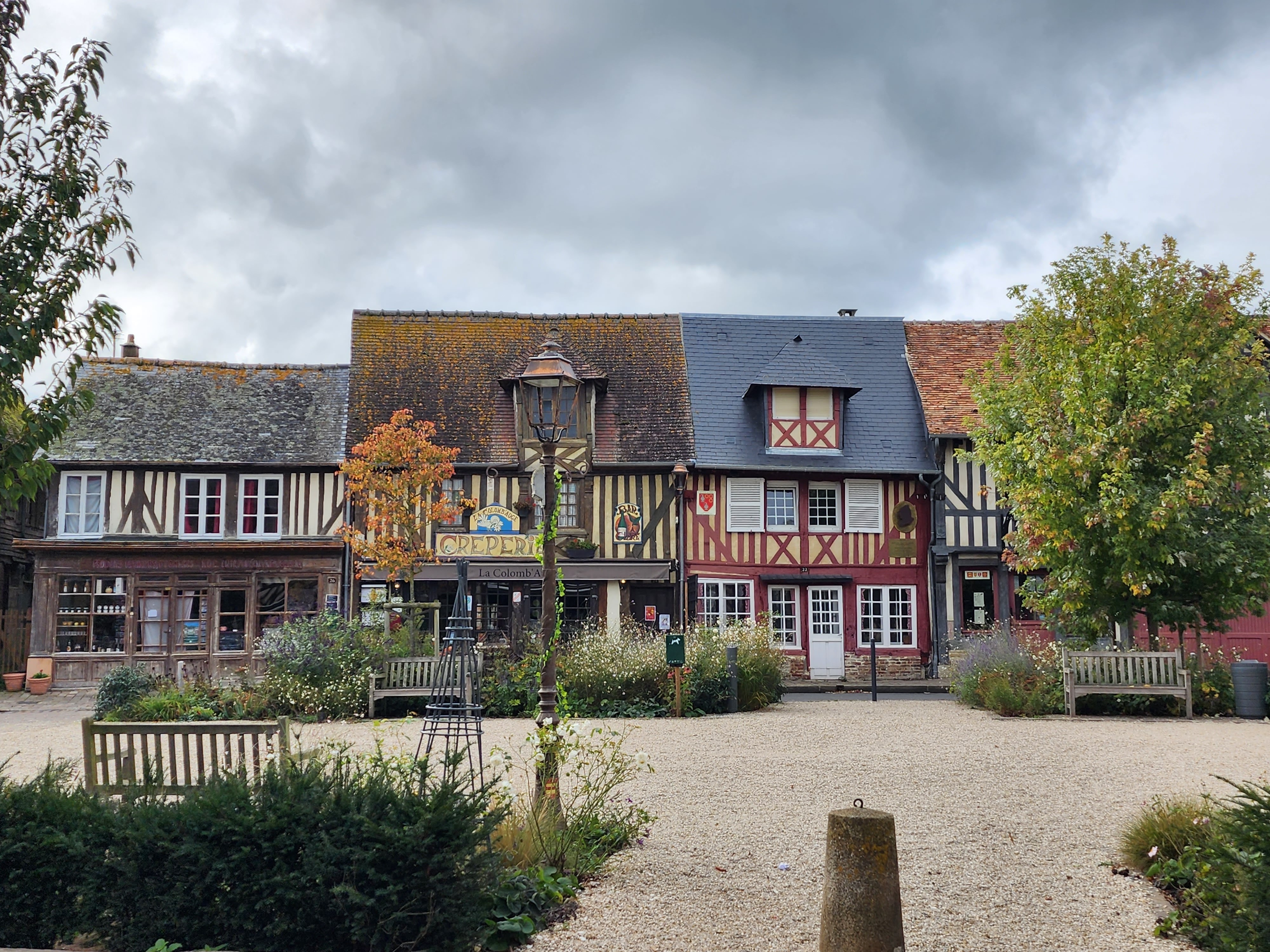
Next was a very quick trip to Beuvron-en-Auge, an archetypal Norman village mostly consisting of half-timbered houses and shops. 300 people call this charming village home. I had read about how some French shopkeepers do not like you to touch the merchandise and this was the first time I had run into it. She basically stocked scarves of all kinds and was not happy at all that people were picking them up and unfolding them to look at them!
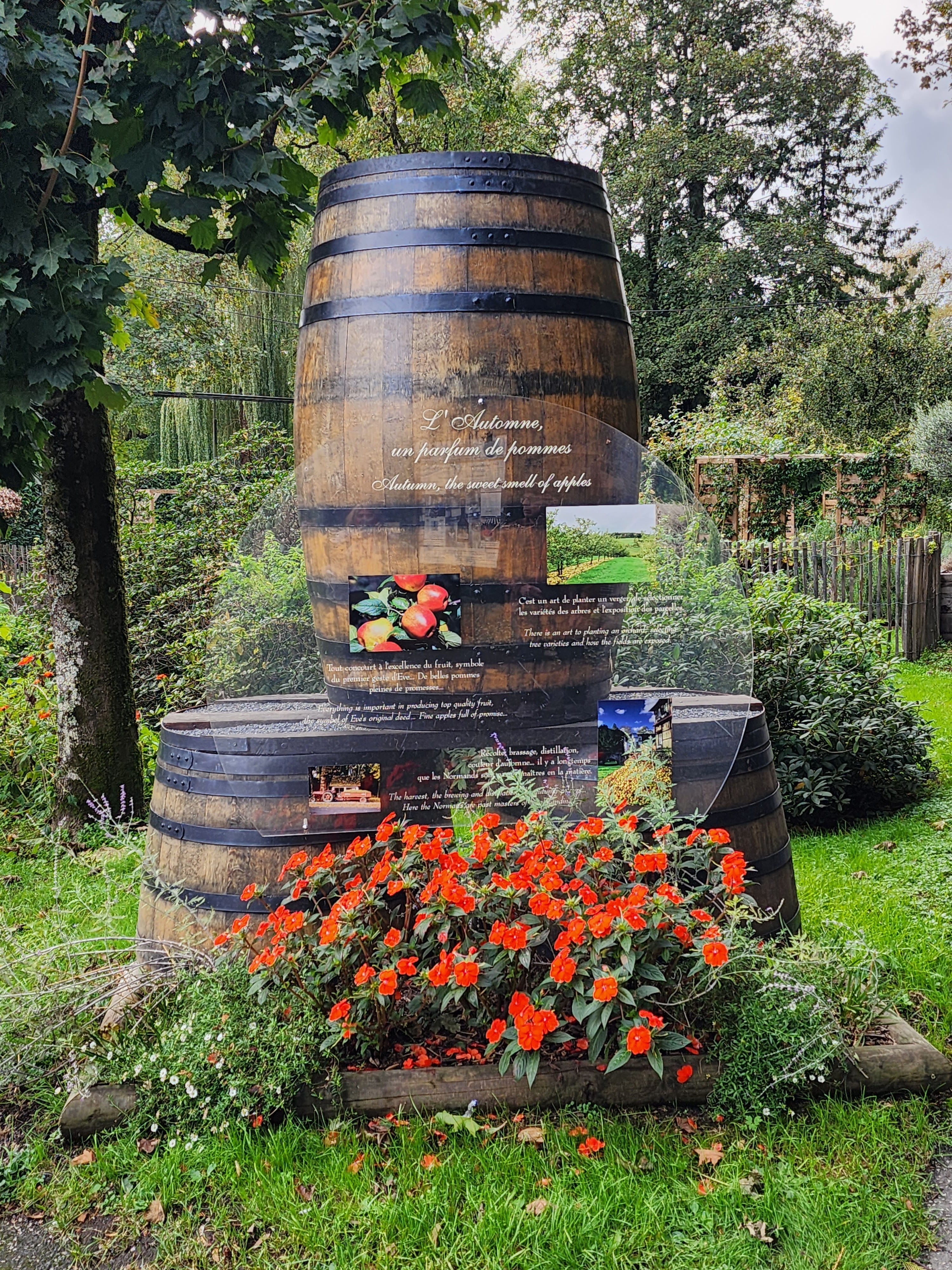
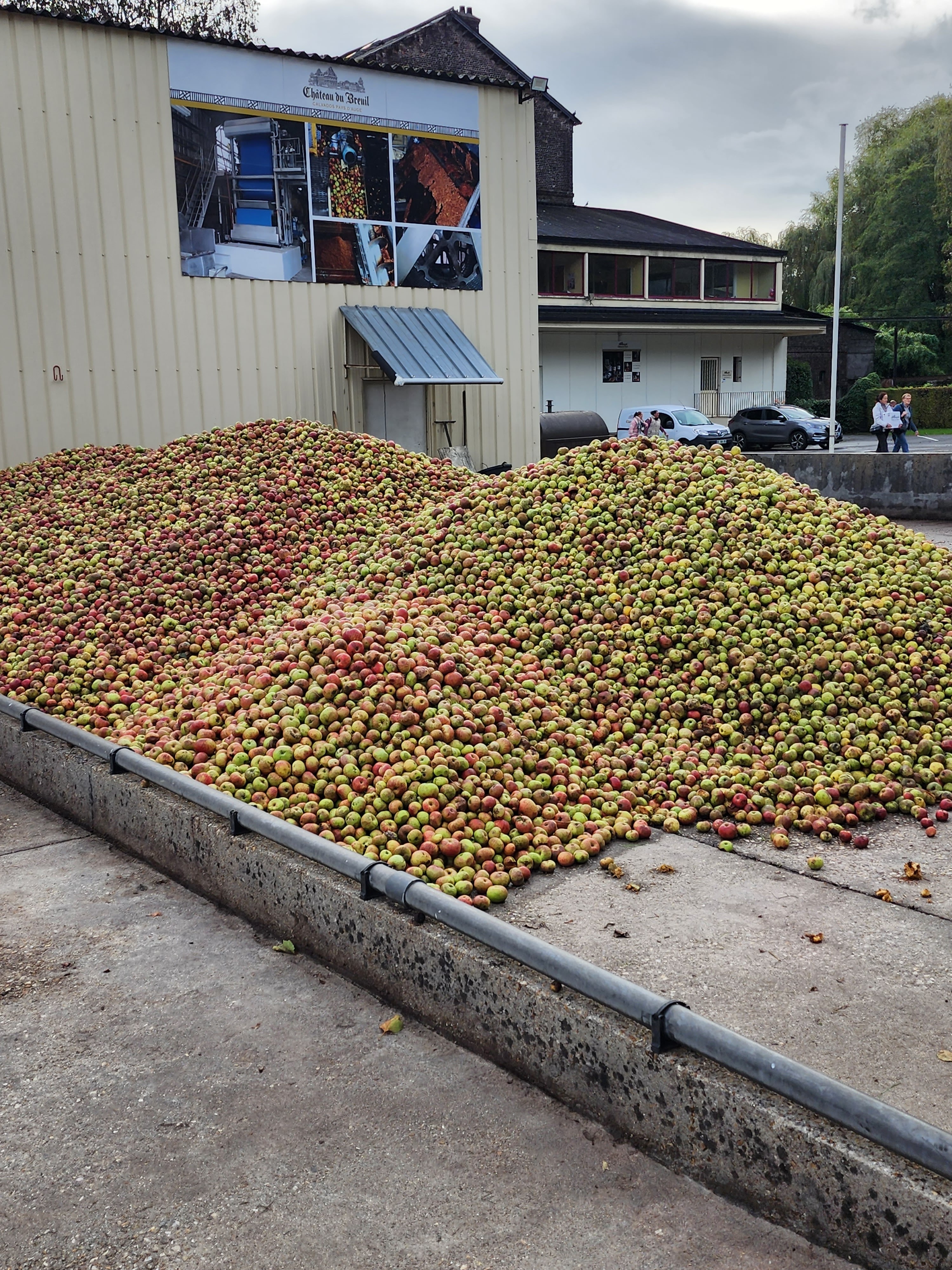
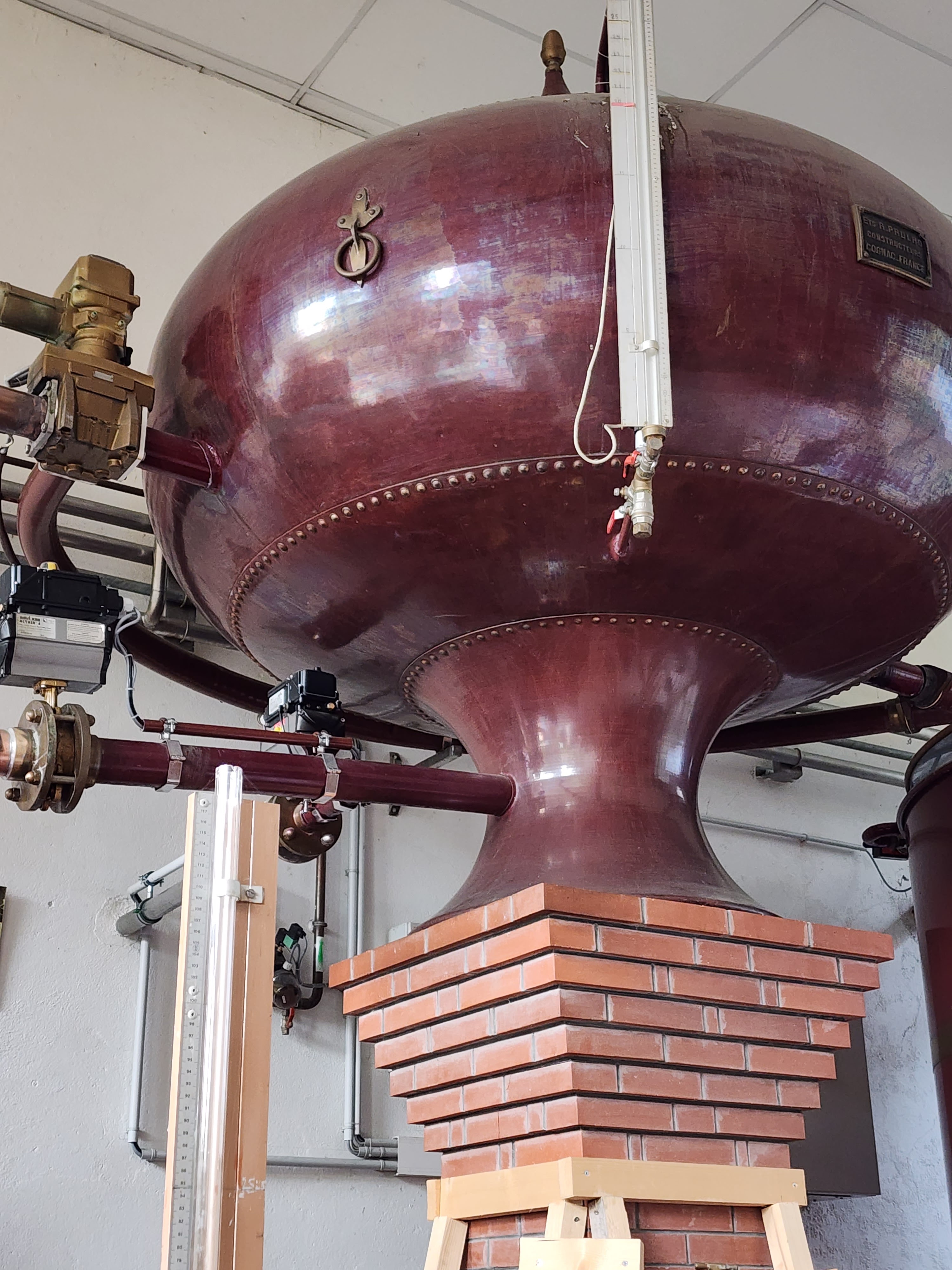
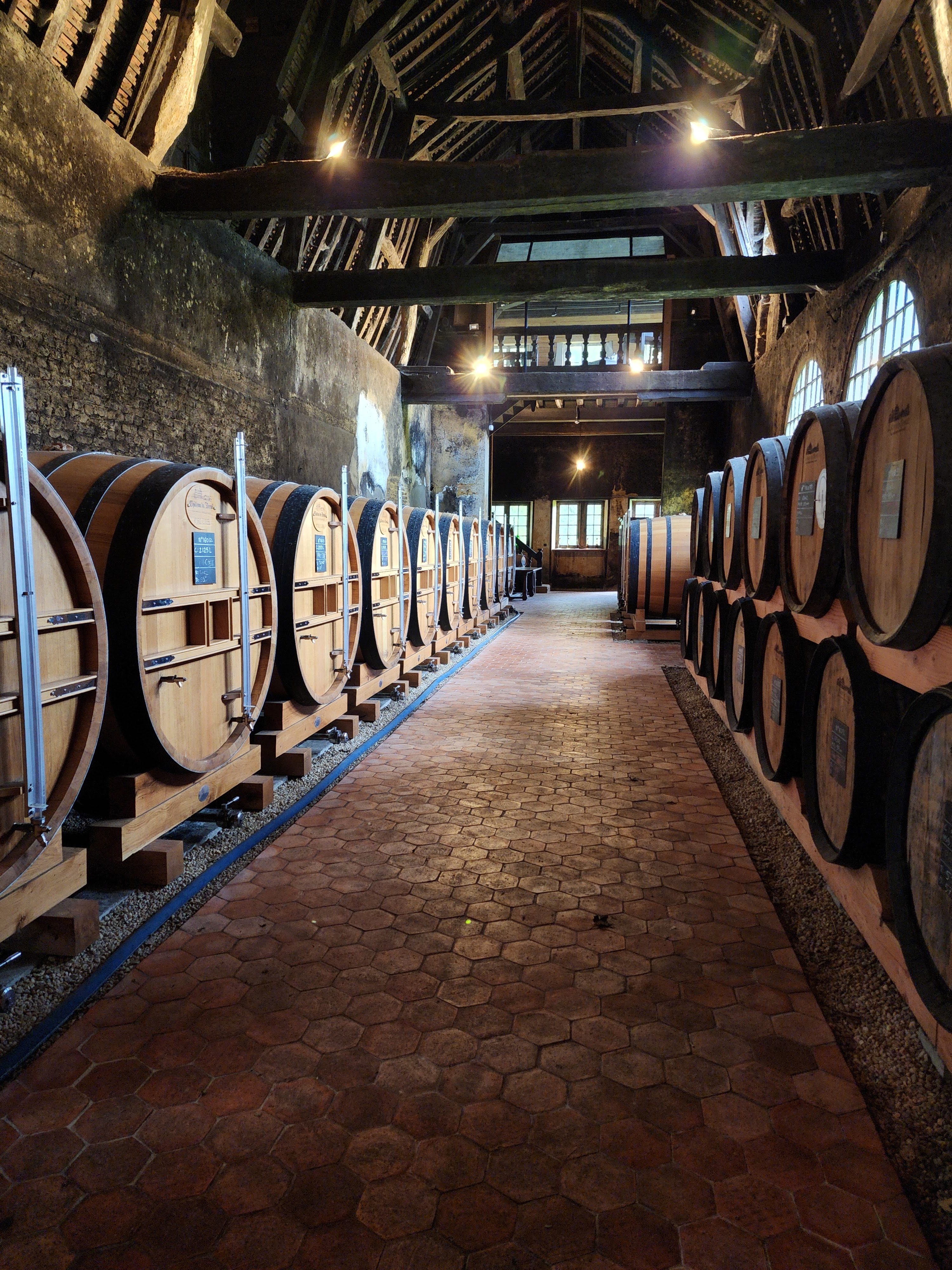
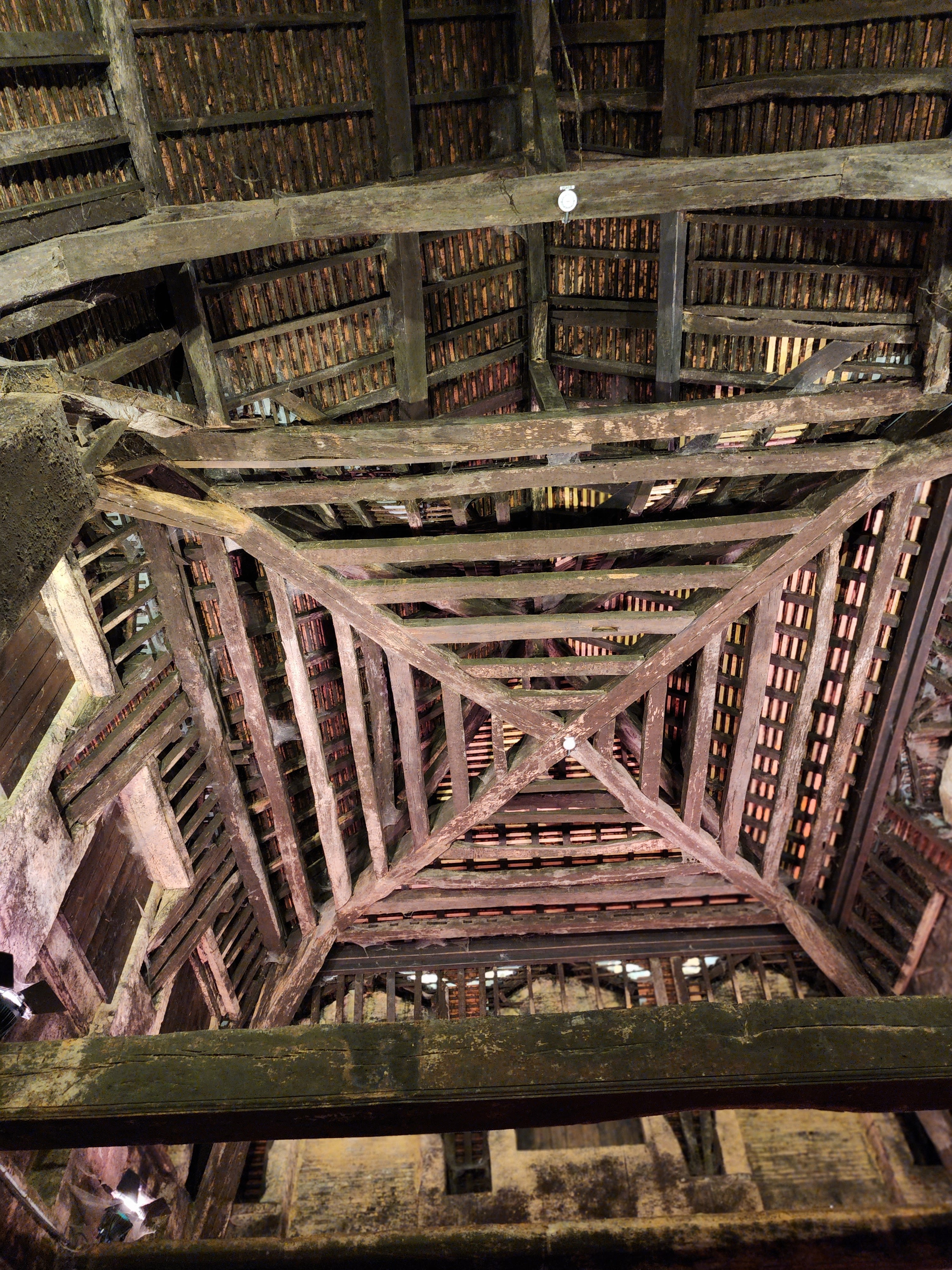
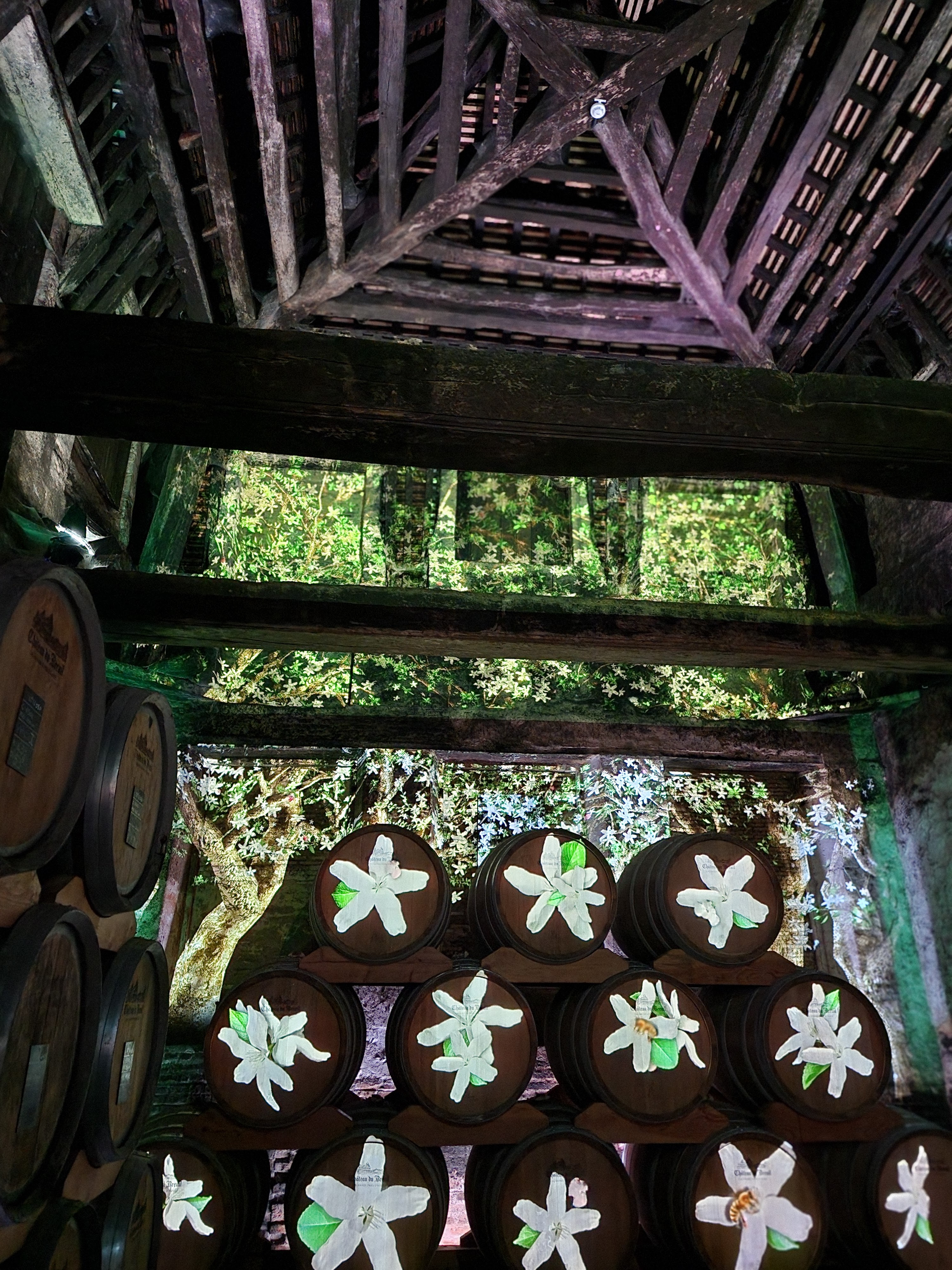
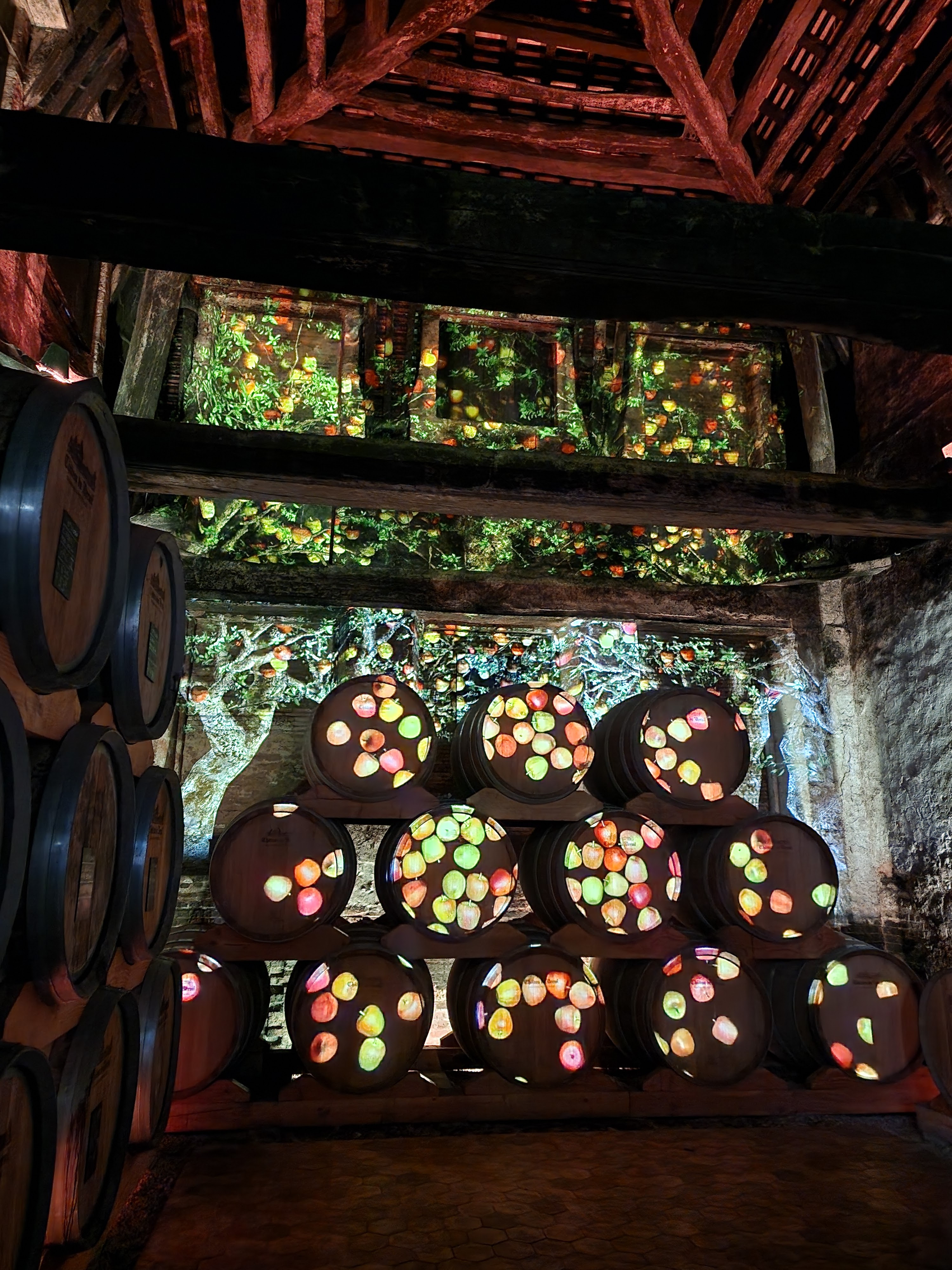
Last stop of the day was Chateau du Breuil, a Calvados Distillery. Calvados is an apple brandy made from cider apples. The French turned to this after many of their vineyards had been devastated by insects in the last quarter of the 19th century. Calvados had been made since 1606 but never became too popular. The estate was beautiful and the cask room was exceptional.
The calvados is a very strong spirit (40% ABV). During the distillation process in the oak casks, the part that evaporates (about 2-3%) is called the angels share because it goes straight up to heaven. Neither Buzz nor I really liked the straight Calvados but the Pommeau is the calvados mixed with wine and it much sweeter and less strong.
 GalavantingGeezers.ninja
I’m enjoying “seeing” your amazing trip!
LikeLike
Thank you so much for sharing. So enjoyed the history and the pictures! Looks like an amazing trip!
LikeLike